This is one of those questions buyers don’t always ask early — but almost everyone ends up caring about later.
At the beginning, most conversations focus on price, specs, certifications, and delivery time. Everything feels straightforward.
But once products start moving through real markets, something eventually happens. A small batch issue. A transport problem. A customer complaint.
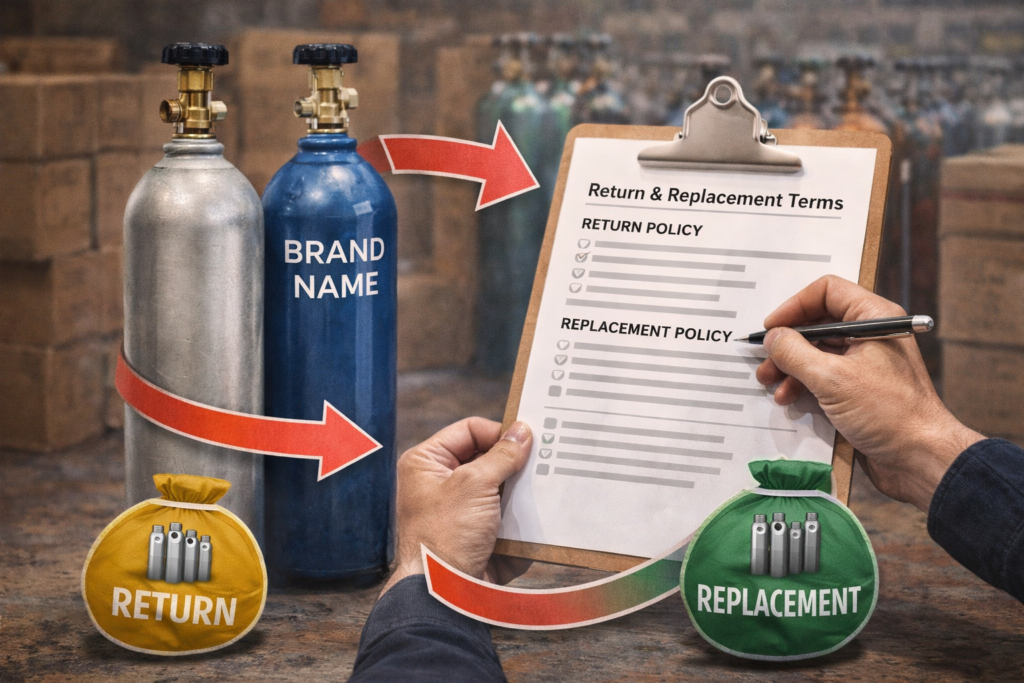
And that’s when the real question comes up:
“What happens if something goes wrong?”
From my experience, this is where the difference between suppliers becomes very clear.
Not all problems are the same — and neither are responses
One thing I’ve learned over the years is that not all “problems” are equal.
Some issues come from production.
Some come from shipping.
Some come from handling after delivery.
Good suppliers don’t just promise “we will solve it.” They can explain how different situations are handled.
For example:
- manufacturing defects
- transport damage
- misuse or improper storage
Each of these requires a different response. When everything is treated the same, confusion starts.
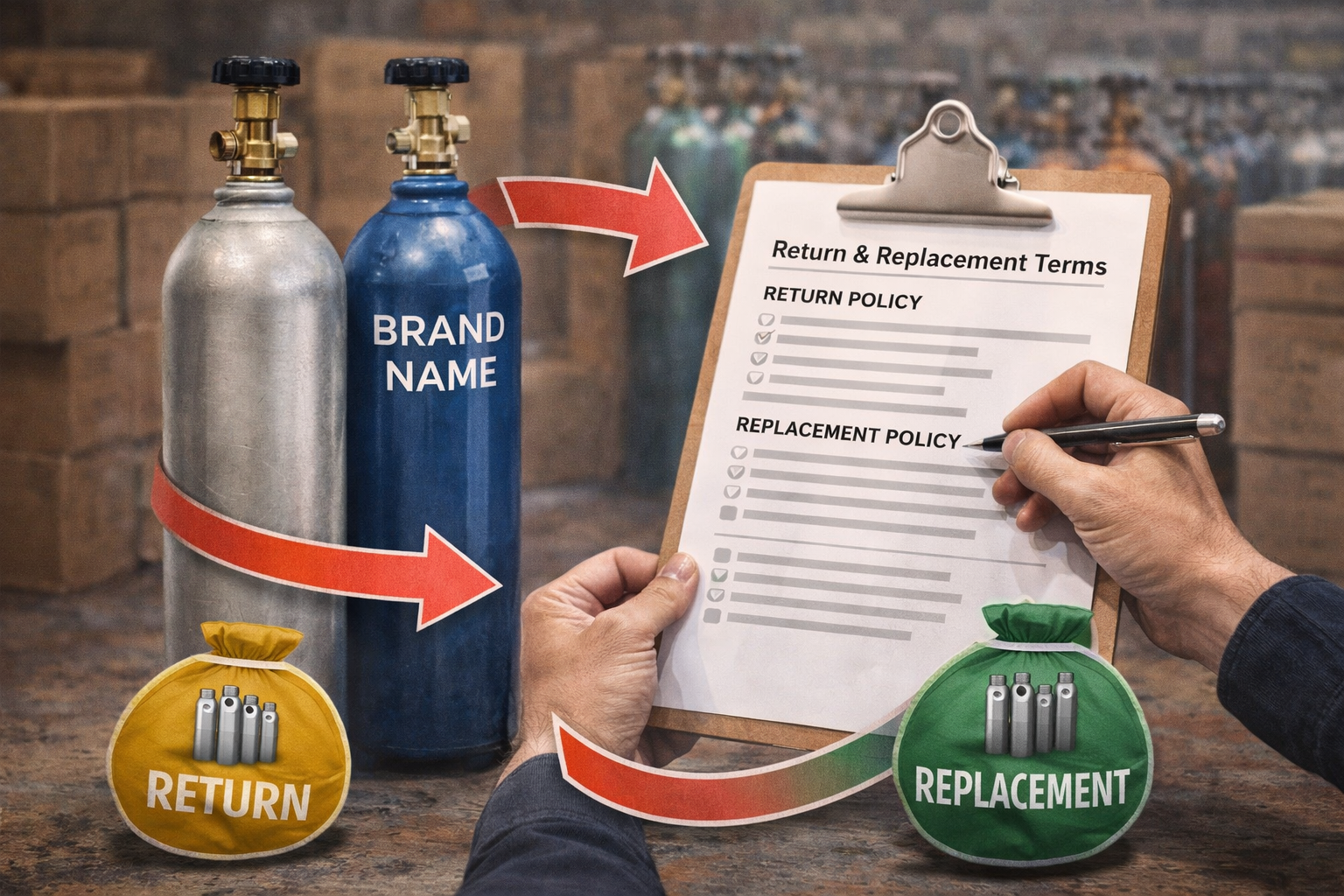
What a reasonable return policy usually looks like
In practice, most reliable suppliers follow a similar structure, even if they don’t always write it in the same way.
For confirmed manufacturing issues
If a defect is clearly linked to production, replacement or compensation is usually straightforward. The key is traceability — being able to link the issue back to a specific batch.
This is often handled together with logistics partners or insurance, depending on the shipping terms. That’s why understanding responsibility boundaries early is important.
For minor issues
Sometimes small problems don’t justify full returns. In these cases, partial compensation or future order adjustments are more practical.
The details vary, but the principle is simple: clear categories prevent unnecessary disputes.
Why documentation matters more than promises
Early in my career, I used to think a verbal commitment was enough.
Over time, I realized that documentation protects both sides.
Clear records help answer questions like:
- Which batch did this come from?
- When was it produced?
- What tests were performed?
- How was it shipped?
Suppliers who maintain structured documentation systems usually handle issues faster, because they don’t need to guess what happened.
If you’re curious how structured safety and documentation systems are defined more broadly, frameworks like the Compressed Gas Association safety and handling standards give a good reference point for how traceability and responsibility are managed across the industry.
The real difference: how quickly problems are acknowledged
Here’s something I’ve noticed again and again.
When an issue happens, the first response matters more than the final solution.
Some suppliers:
- delay responses
- ask repeated questions
- avoid clear answers
Others:
- acknowledge the issue quickly
- request necessary details
- start investigating immediately
Even before a solution is reached, you can already tell which supplier takes responsibility seriously.
Why experienced buyers look beyond “return policy”
After a few cycles, most buyers stop asking only about return terms.
Instead, they start paying attention to:
- how consistent the batches are
- how problems are communicated
- how transparent the supplier is
Because in reality, the best return policy is the one you rarely need to use.
That’s also why many distributors prefer working with stable product lines like refillable CO2 cylinders for beverage systems, where production processes are already optimized and predictable.
A small detail that makes a big difference
One thing that doesn’t get talked about enough is how issues are reported.
Clear photos, batch numbers, and simple descriptions help suppliers respond faster and more accurately.
When information is incomplete, even a willing supplier may struggle to provide a quick solution.
In that sense, handling issues is a two-way process.
Final thoughts
Return and replacement terms are important, but they’re only part of the bigger picture.
What really matters is how a supplier approaches problems:
- do they take ownership
- do they communicate clearly
- do they have systems to trace and fix issues
Because sooner or later, something will go wrong. That’s just part of doing business.
The difference is whether that situation turns into a small adjustment — or a major problem.