
Carbon Fiber Composite Cylinders for Refillable High-Pressure Gas Systems
TL;DR – Carbon Fiber High-Pressure Gas Cylinders Overview
- Carbon fiber composite cylinders for compressed air, oxygen, hydrogen and specialty gas systems
- Type 3 (aluminum liner) and Type 4 (polymer liner) structures available
- Pressure platforms typically 200–300 bar, 300 bar, 350 bar and project-based higher pressure systems
- Certification handled according to destination market requirements
- Supplied for distributors, OEM brands, and regulated industrial programs
Application Categories & Technical Characteristics
Lightweight Paintball HPA Cylinders for Regulated Air Systems
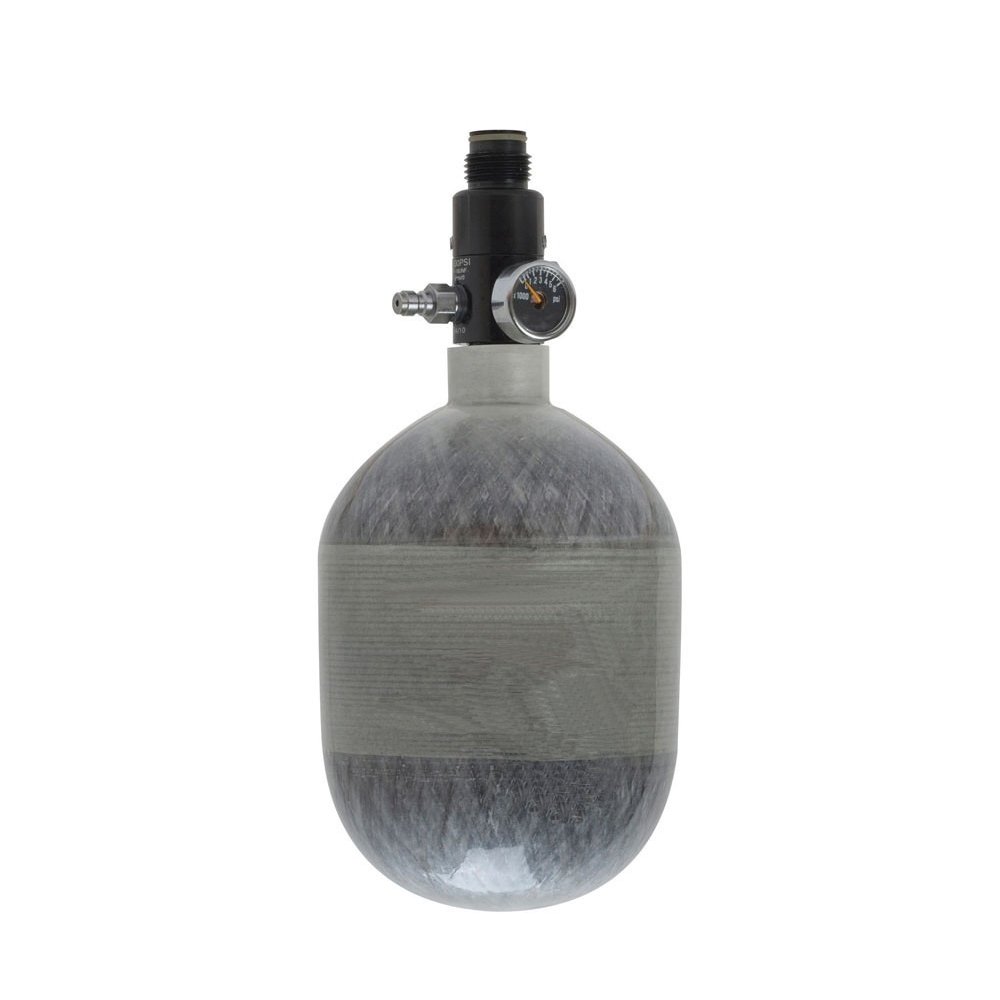
Carbon Fiber Paintball HPA Tank
In paintball applications, composite cylinders function as high-pressure air (HPA) storage integrated into marker systems and field refill ecosystems. Weight balance and refill cycle durability are critical because players carry the system throughout extended matches.
Key Commercial Considerations
- Typical pressure classes: 300 bar / 4500 psi platforms (program dependent)
- Balance between lightweight design and structural margin
- Stable neck thread compatibility for regulator installation
- Sleeve protection for field handling
- Batch consistency for tournament fleet supply
Typical Procurement Scenarios
Paintball field rental fleet supply
Tournament team sponsorship programs
OEM marker brands bundling HPA systems
Regional distributors managing refill infrastructure
Most large-scale buyers prioritize configuration lock once a platform is approved. Changing structural design mid-program increases downstream risk.
Sourcing Notes
For paintball HPA programs, buyers typically prioritize regulator compatibility, refill cycle durability, and stable batch consistency over short-term price advantages.
Paintball HPA Cylinders (Carbon Fiber Composite Platforms)
| Model (ci / psi) | Key Features | Best Suited For | Common Clients |
|---|---|---|---|
| 48ci 4500psi | Compact size, lighter carry weight, balanced air output | Entry-level setups, recreational players | Starter kit suppliers, rental fields |
| 68ci 4500psi | Carbon fiber composite, lightweight, strong pressure stability | Tournament players, frequent users | Tactical gear distributors, OEM marker brands |
| 77ci 4500psi | Increased air volume, extended shooting cycles, balanced ergonomics | Competitive players, field operators | Regional distributors, event suppliers |
| 90ci 4500psi | High capacity, extended playtime, optimized for endurance | Scenario games, long-duration sessions | Event organizers, pro teams |
| 100–120ci 4500psi | Maximum air storage, fewer refills required, heavy-duty build | Field rental fleets, high-volume usage | Large paintball parks, international wholesalers |
Note:
All models are available in carbon fiber composite construction with configurable regulator interface, serial traceability, protective sleeve options, and OEM branding support. Configuration can be locked for stable repeat-order supply.
Carbon Fiber PCP Air Cylinders for Portable High-Pressure Air Systems
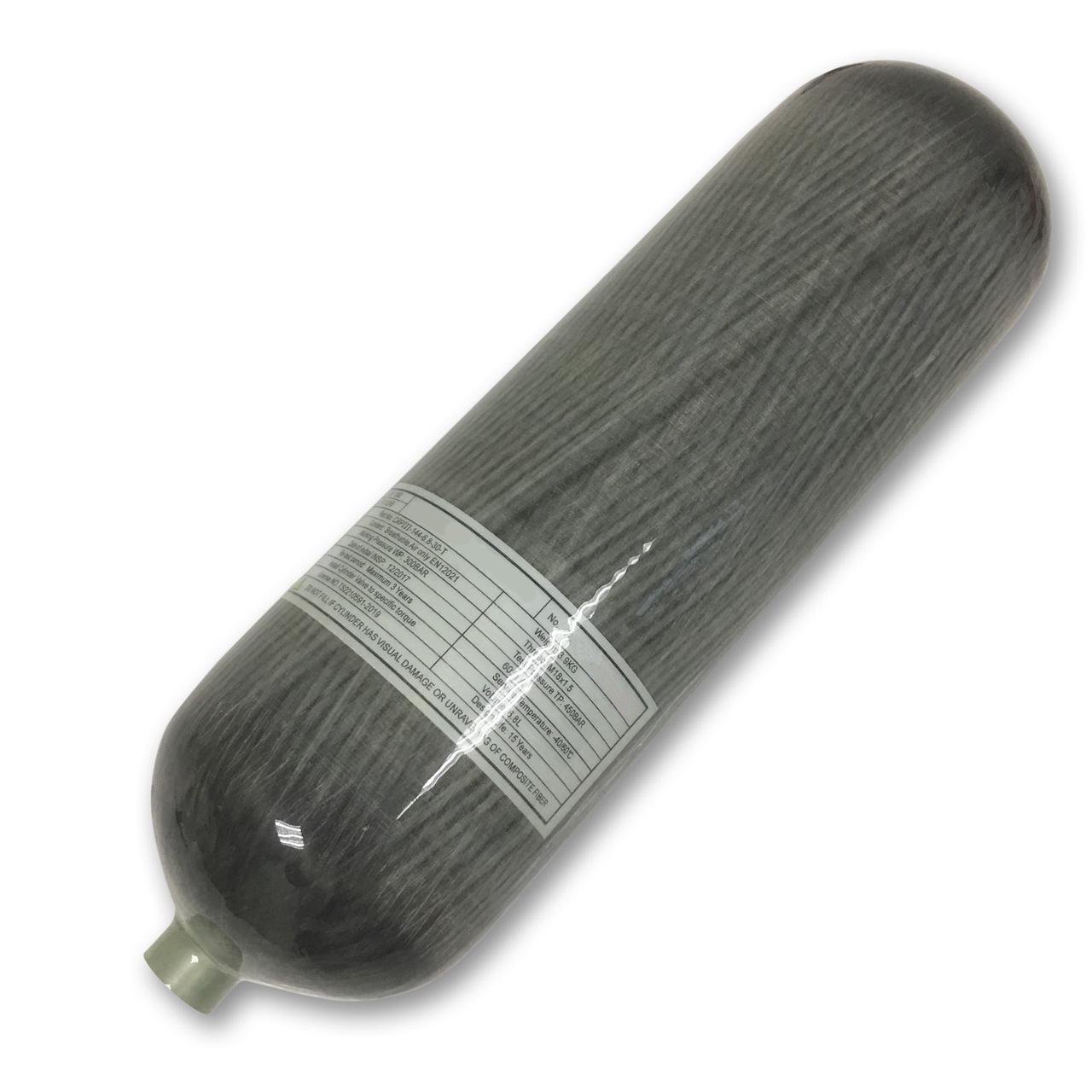
Portable PCP Air Tank
In portable pneumatic supply programs, buyers usually prioritize weight reduction, high cycle life, and standard valve compatibility over single-parameter comparison.
Typical use scenarios
- Portable air supply for PCP systems
- Outdoor mobile air supply
- Mobile filling station setups
- Club / facility backup air source
Core value for sourcing
- Weight reduction vs steel up to 70%
- High cycle life (≥ 15,000 cycles)
- Compatible valve port options (commonly M18×1.5)
- OEM customization supported: color, protective sleeve, laser marking, brand logo
Recommended companion items (for higher conversion)
- High-pressure filling hose
- Regulator + quick coupler set
- Filling station base
- Protective sleeve
Recommended Specifications (≤50L)
| Category | Water Capacity | Working Pressure | Typical Application |
|---|---|---|---|
| Ultra-Portable | 0.35 – 0.7 L | 30 MPa (≈300 bar)/4500psi | Backpack carry / Emergency refill |
| Standard PCP | 0.8 L (≈48 ci) | 30 MPa (≈300 bar)/4500psi | PCP charging |
| Mainstream PCP | 1.1 L (≈68 ci) | 30 MPa (≈300 bar)/4500psi | PCP charging / Recreational shooting |
| Refill Station | 3.0 L / 6.8 L | 30 MPa (≈300 bar)/4500psi | Mobile air supply / Club use |
In PCP applications, cylinder selection typically prioritizes weight reduction, regulator compatibility, and stable batch supply rather than maximum storage capacity.
Composite Scuba Air Tanks for Recreational & Technical Diving
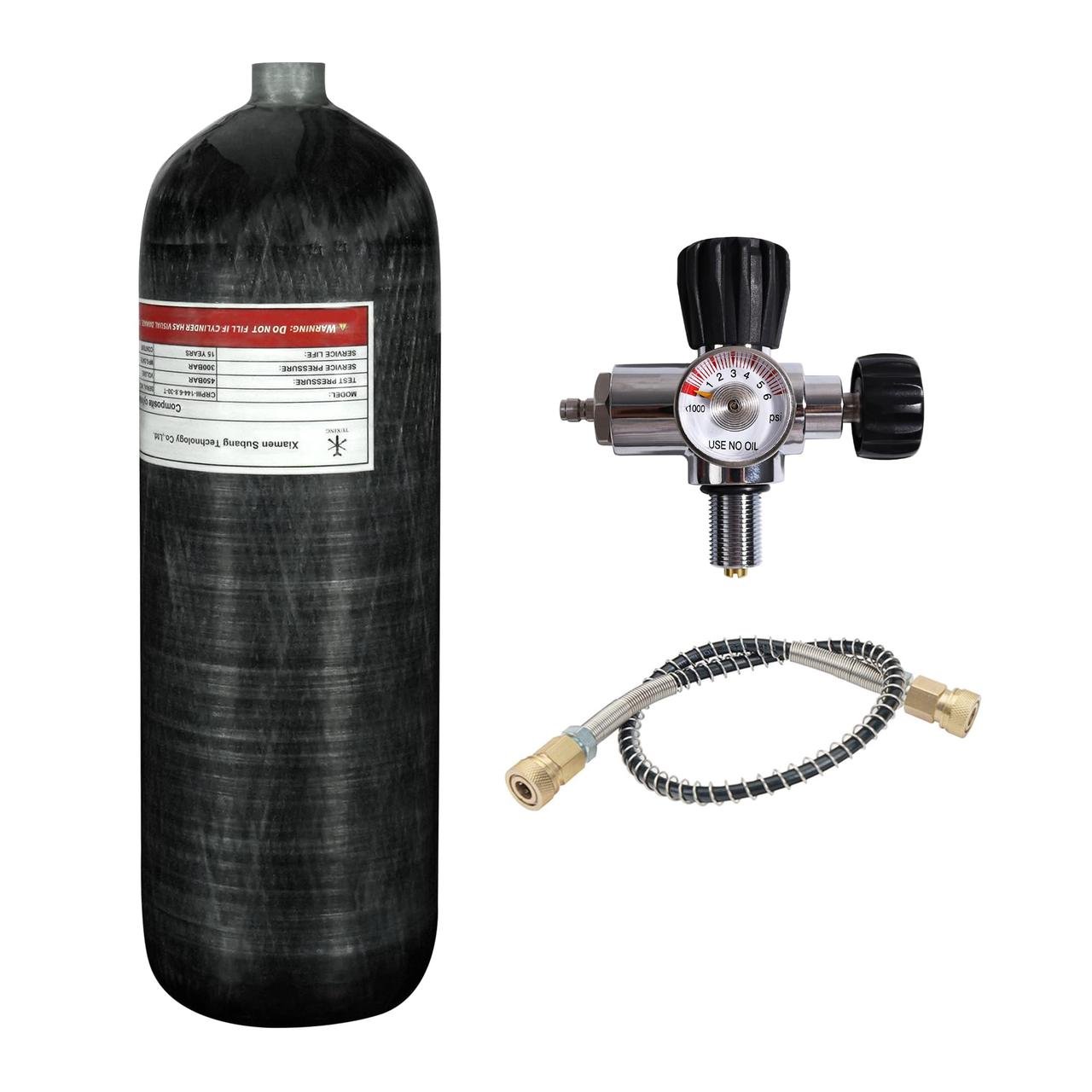
Carbon Fiber Scuba Diving Cylinder
Carbon fiber scuba cylinders deliver superior weight reduction, corrosion resistance, and transport convenience without compromising safety or performance.
Applicable Scenarios
Recreational Diving
Technical Diving
Underwater Operations & Rescue
Key Technical Features
- Type 3 (Aluminum Liner) — Proven and reliable structure
- Type 4 (PET Liner) — Lighter and more advanced composite design
DIN / Yoke options available
Sandblasted finish
Painted coating
Custom color options
Noticeably lighter underwater compared to steel cylinders
Core Advantages
30–40% lighter than steel cylinders
More suitable for air transport and onboard handling
Excellent resistance to seawater corrosion
Compliant with international standards, long service life
Recommended Specifications (≤50L)
| Water Capacity | Working Pressure | Typical Applications | Diver Level | Application Segmentation | Notes |
|---|---|---|---|---|---|
| 6L | 20 MPa (200 bar) | Travel diving / Entry-level diving | Beginner / Occasional diver | Recreational Diving | Compact size, lightweight, ideal for air travel |
| 9–11L (Mainstream 11L) | 20 or 30 MPa | Standard recreational diving | Certified recreational diver | Recreational Diving | Most widely adopted market specification |
| 12L | 20 or 30 MPa | Extended bottom time diving | Advanced recreational / Entry technical | Recreational & Technical Diving | Balanced capacity and maneuverability |
| 15L | 20 or 30 MPa | Long-duration / Deep diving | Technical diver | Technical Diving | Increased air reserve for complex dive profiles |
Carbon Fiber SCBA Cylinders for High-Pressure Breathing Air Systems
SCBA cylinders serve as the core high-pressure air storage component within Self-Contained Breathing Apparatus systems used in firefighting, industrial rescue, and hazardous-environment operations. Designed for 30 MPa (300 bar) working pressure, modern carbon fiber composite cylinders combine lightweight structure with high mechanical strength, ensuring extended operational duration without adding unnecessary load to the user.
For B2B buyers, the value of an SCBA cylinder is not only in pressure rating or volume — but in certification compatibility, traceability, long-term durability, and supply consistency. Whether integrated into municipal fire service equipment, industrial breathing systems, or government emergency tenders, a standardized 6.8L–9.0L carbon fiber platform remains the most globally recognized configuration for professional respiratory protection systems.
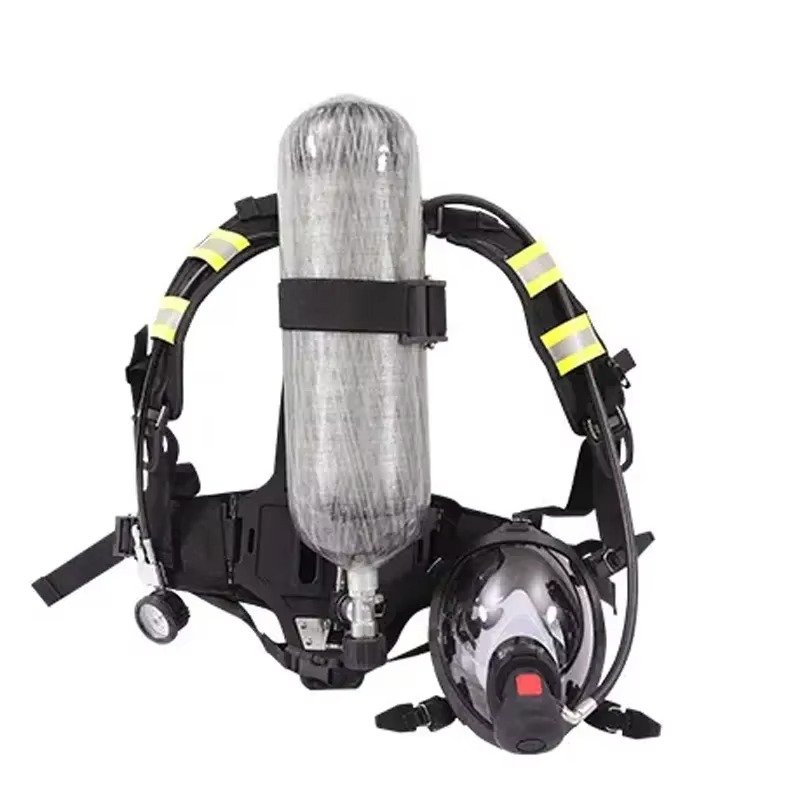
Firefighting SCBA Composite Tank
High-strength 30 MPa carbon fiber composite construction delivers lightweight performance, certified safety compliance, and long-term operational reliability for professional SCBA systems.
Application Scenarios
Municipal Fire Departments
Industrial & Chemical Plants
Mining Rescue Operations
Confined Space Entry
Emergency Response Units
Compliance & Safety
Standards: EN 12245 / ISO 11119 / GB/T 28053
Optional: DOT-CFFC (USA Market)
Batch Traceability: Serial Number + Production Batch Code
Hydrostatic Testing: Mandatory before shipment
Full Production Record Documentation Available
Recommended Supporting Products
- SCBA Cylinder Valve
- First-Stage Pressure Regulator
- Carrying Frame / Backplate Assembly
- Full Face Mask & Demand Valve
- Cylinder Protective Accessories
Procurement & System Considerations for Firefighting SCBA Composite Cylinders
| Water Capacity | Working Pressure | Typical Duration* | Cylinder Type | Primary Application |
|---|---|---|---|---|
| 6.8 L | 30 MPa (300 bar) | 30–45 min | Carbon Fiber Composite (Type III / IV) | Municipal Firefighting |
| 9.0 L | 30 MPa (300 bar) | 45–60 min | Carbon Fiber Composite (Type III / IV) | Industrial / Mining Rescue |
| 12.0 L | 30 MPa (300 bar) | 60+ min | Carbon Fiber Composite (Type III / IV) | Extended Duration Rescue |
*Duration depends on breathing rate and operational intensity.
Technical Parameters (Standard Industrial Platform)
| Parameter | Specification |
| Working Pressure | 30 MPa / 300 bar |
| Test Pressure | 45 MPa |
| Burst Pressure | ≥ 90 MPa |
| Thread Type | M18×1.5 (standard) |
| Service Life | Up to 15 years (per standard) |
| Safety Factor | ≥ 2.0 |
| Liner Material | Aluminum Alloy or PET (Type IV) |
| Composite Layer | Carbon Fiber Full Wrap |
Composite Oxygen Cylinders for Medical & Emergency Applications
Carbon fiber medical oxygen cylinders are becoming increasingly popular in healthcare systems where portability, safety, and operational efficiency matter. Compared with traditional steel cylinders, composite oxygen tanks significantly reduce handling weight while maintaining high pressure stability and structural integrity. For hospitals, emergency services, and home care providers, this translates into easier transport, faster deployment, and improved patient convenience.
In oxygen-service environments, material compatibility and internal cleanliness are critical. Carbon fiber cylinders designed for medical use typically feature oxygen-compatible internal liners and controlled manufacturing processes to meet oxygen service standards. Their corrosion resistance and ease of maintenance make them especially suitable for long-term healthcare programs and mobile emergency scenarios.
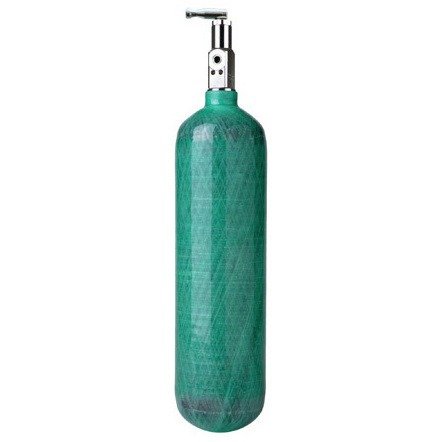
Carbon Fiber Medical Oxygen Cylinder
Medical programs value lightweight handling, oxygen-environment suitability, and easy cleaning/disinfection workflows.
Typical Use Scenarios
Home oxygen therapy
Ambulance emergency oxygen
Hospital backup supply
High-altitude / outdoor medical use
Core Characteristics
Medical-grade internal coating suitable for oxygen environments
Lightweight composite structure (significantly lighter than steel alternatives)
Compatible with mainstream regulators and flow meters
Easier cleaning and disinfection workflow
High pressure capacity with stable gas delivery
Higher-Conversion Bundle Suggestion
“Oxygen Kit” = Cylinder + Regulator + Flow Meter + Mask + Carry Bag
Bundled kits simplify procurement for distributors and healthcare providers, reduce compatibility risks, and increase end-user convenience — especially in home-care and emergency applications.
Medical Carbon Fiber Oxygen Cylinders — Technical Procurement Sheet (≤50L)
| Category | Capacity | Working Pressure | Cylinder Type | Approx. Weight (Composite) | Valve Standard | Oxygen Service | Typical Use Scenario |
|---|---|---|---|---|---|---|---|
| Ultra-Portable | 0.35–1.5 L | 20 / 30 MPa | Type 3 / Type 4 | 30–40% lighter than steel | CGA medical / DIN medical | Oxygen-cleaned | Personal carry / Backup |
| Home Therapy | 2.0–3.0 L | 20 / 30 MPa | Type 3 / Type 4 | Significantly lighter than steel equivalent | CGA / DIN compatible | Oxygen-compatible internal liner | Daily home oxygen use |
| Emergency / Ambulance | 6.8 L / 9.0 L | 20 / 30 MPa | Type 3 / Type 4 | Reduced handling weight for rapid deployment | CGA / DIN quick-connect | Oxygen-cleaned & sealed | Ambulance / Field response |
| Hospital Reserve | 12 L / 20 L | 20 / 30 MPa | Type 3 / Type 4 | Weight optimized vs steel storage tanks | Hospital-standard valves | Medical-grade cleaned | Ward backup / Centralized storage |
Composite Hydrogen Storage Tanks for Fuel Cell & Energy Systems
Hydrogen storage cylinders represent a strategic, future-oriented segment in the composite pressure vessel industry. Unlike traditional gas applications, most H₂ projects are engineering-driven and require high technical validation, strict safety compliance, and long-term reliability. Buyers in this sector typically evaluate not only specifications, but also material technology, burst performance, fatigue resistance, and regulatory certification.
For manufacturers, hydrogen cylinders are often capability-demonstration platforms — showcasing advanced Type 4 liner technology, high-pressure design (350 bar / 700 bar), and precision manufacturing control. As hydrogen mobility, distributed energy, and UAV fuel-cell programs expand globally, lightweight composite cylinders are becoming essential due to their strength-to-weight ratio and pressure efficiency.
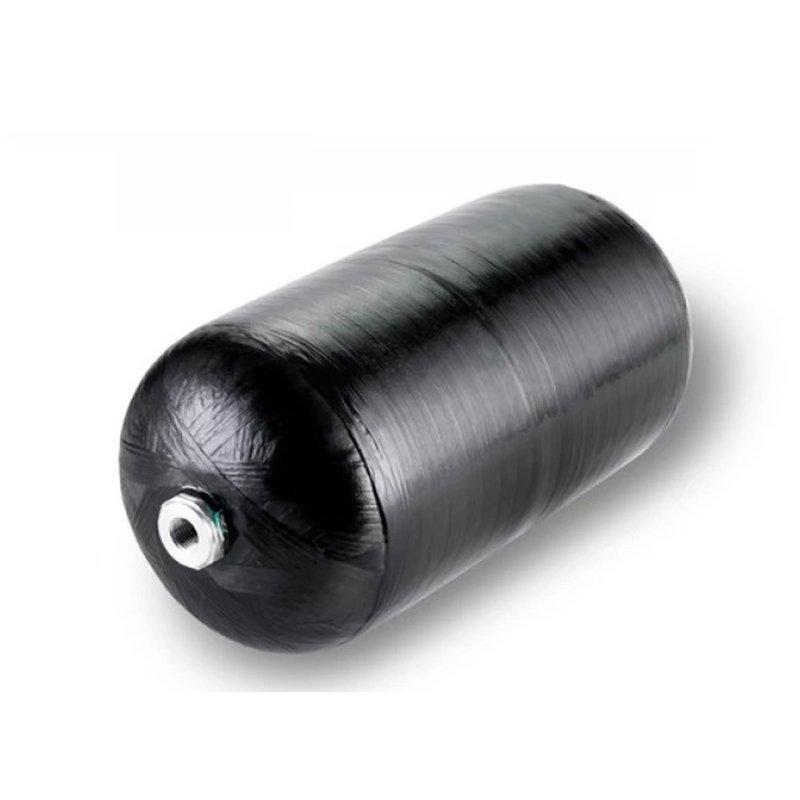
High-Pressure H2 Tank
Most H2 opportunities are project-based, high-unit-value, and often used as capability-showcase pages first.
Typical Use Scenarios
Fuel-cell UAV programs
Portable power generation
Mobile hydrogen storage
Distributed energy applications
Typical Platforms Buyers Expect
Common sizes: 3L / 5L / 9L / 12L / 20L
Mainstream pressure: 350 bar
Premium / mobility programs: 700 bar
Type 4 (PET liner) increasingly preferred
Technical Direction & Structural Highlights
Fully wrapped carbon fiber composite structure
Type 4 liner (PET) trend for maximum weight reduction
Designed for high-cycle fatigue resistance
High burst pressure safety margin
Suitable for hydrogen mobility and energy-transition programs
Recommended Hydrogen Cylinder Procurement Sheet
| Capacity | Working Pressure | Cylinder Type | Typical Application | Key Advantage | Market Position |
|---|---|---|---|---|---|
| 3L | 350 bar | Type 3 / Type 4 | UAV fuel-cell systems | Ultra-lightweight | Entry engineering programs |
| 5L | 350 bar | Type 4 preferred | Portable power packs | Compact & high energy density | Mobile energy |
| 9L | 350 bar | Type 4 | Small mobility / storage modules | Balanced capacity & weight | Mainstream adoption |
| 12L | 350 / 700 bar | Type 4 | Hydrogen mobility systems | High pressure efficiency | Advanced vehicle programs |
| 20L | 350 / 700 bar | Type 4 | Distributed energy & storage | Large storage capacity | Industrial / pilot projects |
Carbon Fiber Composite Cylinders for Marine & Vessel Applications
Marine cylinder programs may not represent the largest volume segment, but they are highly specification-sensitive and certification-driven. Buyers in the marine and offshore sector prioritize salt-spray corrosion resistance, reduced deck handling weight, and smooth class-approval processes. Reliability in harsh environments is non-negotiable.
Carbon fiber composite cylinders are particularly suitable for marine applications due to their corrosion resistance and significant weight advantage compared with steel alternatives. On vessels, every kilogram saved improves handling safety and operational efficiency. In offshore and emergency environments, lighter cylinders also reduce crew fatigue and simplify rapid deployment.
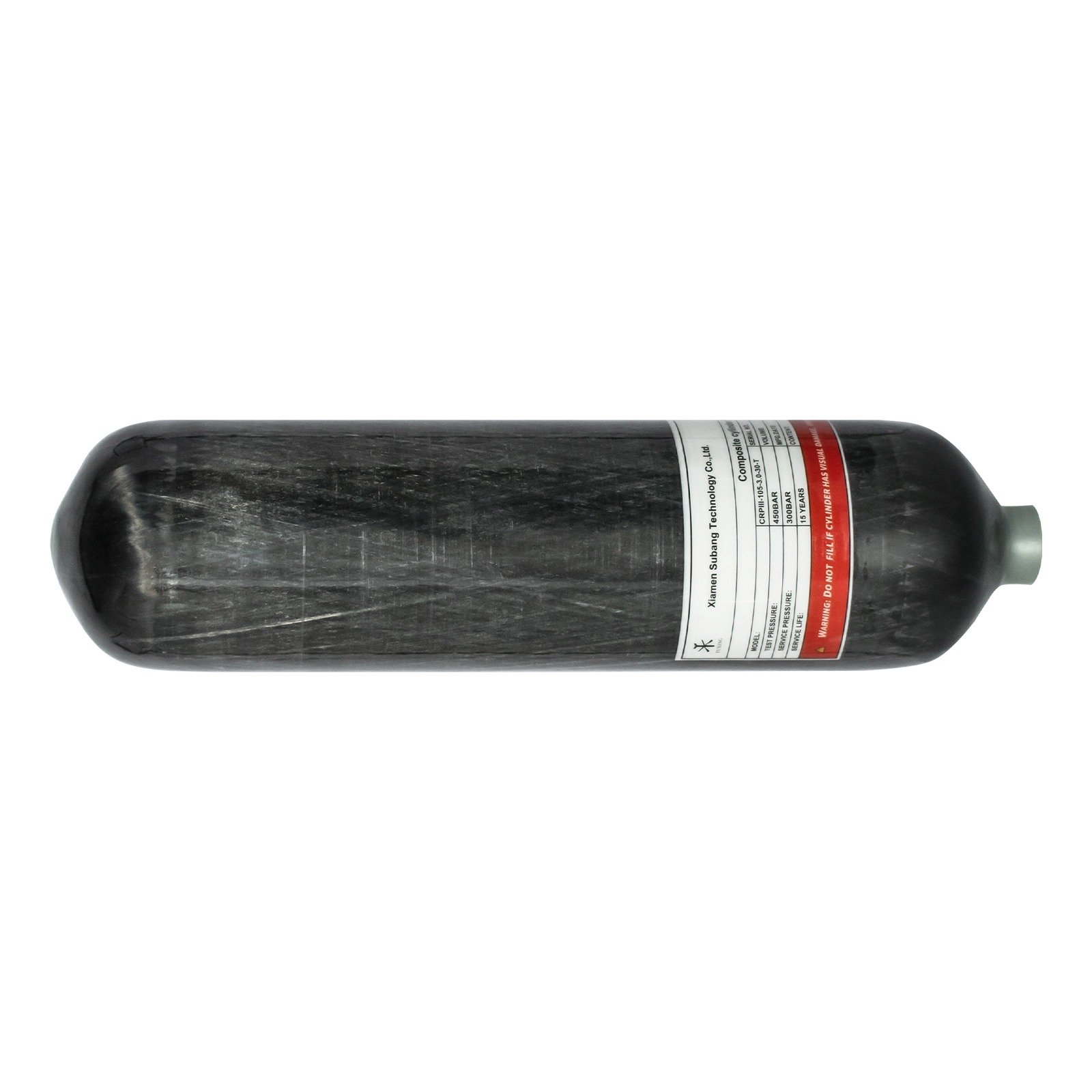
Marine High-Pressure Air Cylinder
Gas medium depends on system integration (CO2 for inflation systems; breathing air for emergency / SCBA use).
Typical Use Scenarios
Lifeboat inflation systems
Crew emergency breathing devices
Offshore wind SCBA maintenance
Core Selling Points
Excellent salt-spray corrosion resistance
Lighter weight for deck transport and handling
“Class certification friendly” positioning
Reduced long-term maintenance compared to steel
Coordinated bracket / mounting structure solutions
Batch traceability and serial number marking
Compliance with ISO / EN / DOT (region-dependent industrial standards)
Typical Platforms Buyers Expect
Common working pressure: 200 bar / 300 bar
Mainstream capacities: 3L / 6L / 6.8L / 9L / 12L
Type 3 (Aluminum liner) or Type 4 (PET liner) composite structure
Marine-grade surface coating and labeling
Compatibility with maritime safety equipment systems
Certification alignment with marine class requirements (region-dependent)
Recommended Marine Composite Cylinder Platforms
| Capacity | Working Pressure | Cylinder Type | Typical Marine Application | Corrosion Resistance Focus | Certification Alignment | Buyer Priority |
|---|---|---|---|---|---|---|
| 3L | 200 / 300 bar | Type 3 / Type 4 | Emergency breathing units | Marine humidity durability | Class-compliant marking | Compact safety devices |
| 6L | 200 / 300 bar | Type 3 / Type 4 | Lifeboat systems | Salt-spray protection | Maritime approval pathway | Weight & reliability |
| 6.8L | 300 bar | Type 3 / Type 4 | Offshore wind SCBA | Enhanced corrosion resistance | Offshore program compliance | Operational efficiency |
| 9L | 200 / 300 bar | Type 3 / Type 4 | Vessel crew safety equipment | Long-term deck exposure durability | Safety equipment certification | Balanced capacity |
| 12L | 200 / 300 bar | Type 3 / Type 4 | Centralized vessel air supply | Structural integrity in marine climate | Regional marine standards | Stability & endurance |
UAV Carbon Fiber HPA Gas Cylinders for Lightweight Drone Integration
HPA drone tanks are carbon fiber composite cylinders designed to store high-pressure compressed air for unmanned aerial vehicle (UAV) platforms. Compared with traditional steel cylinders, composite HPA tanks significantly reduce overall system weight while maintaining high pressure ratings (typically 300 bar / 4500 psi).
These cylinders are commonly integrated into agricultural drones, industrial UAV platforms, and specialized airborne pneumatic systems where weight-to-pressure efficiency is critical.
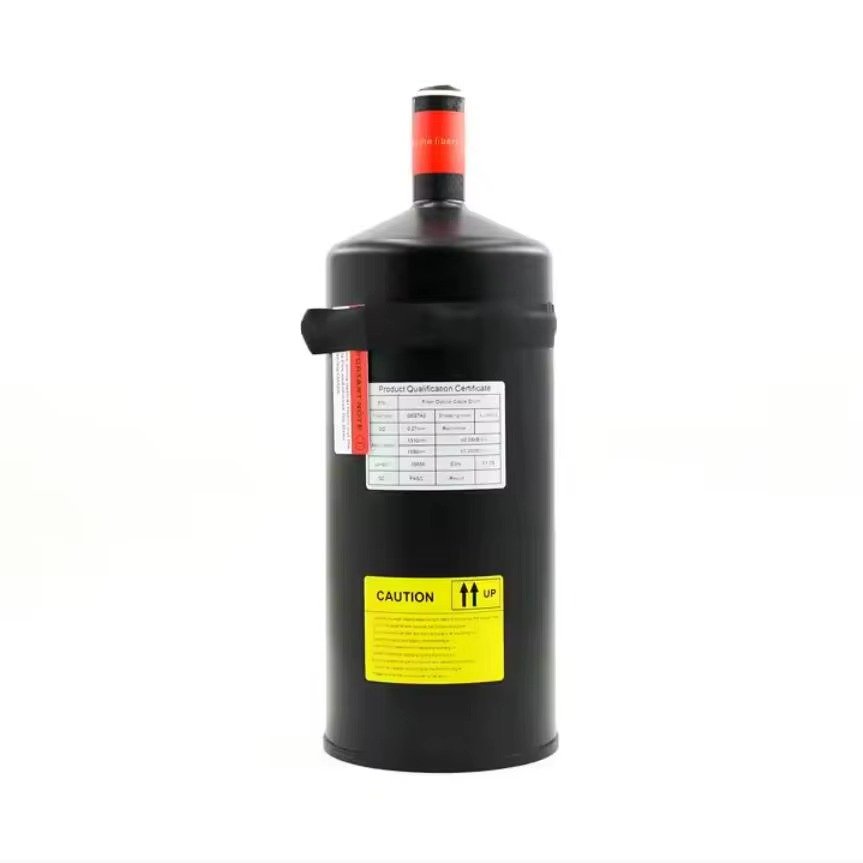
HPA Drone Tank
High-pressure performance with optimized weight-to-volume efficiency for advanced UAV pneumatic systems.
Typical Use Scenarios
Agricultural UAV spraying systems
Compressed air-assisted drone propulsion modules
UAV payload release systems
Emergency or tactical drone platforms
Mobile industrial robotic air supply
Core Selling Points
Weight Optimization for Flight Stability
High Pressure Density
Platform Compatibility
OEM / Structural Customization
Batch Traceability & Export Readiness
Sourcing Notes
For UAV platforms, cylinder selection typically prioritizes weight efficiency, pressure stability, and integration compatibility rather than standalone cylinder comparison.
Buyers often evaluate composite structure type (Type III vs Type IV), valve interface, and system mounting requirements before confirming specification.
Typical Specification Range for UAV Systems
| Fiber Length | Inner Box Size (cm) | Outer Box Size (cm) | Net Weight (Standard Reel) | Gross Weight (Standard Reel) | Net Weight (Sky Module) | Gross Weight (Sky Module) |
| 3 km | 31 × 17 × 14.5 | 64 × 35 × 32 | 300 g | 560 g | 320 g | 580 g |
| 5 km | 31 × 17 × 14.5 | 64 × 35 × 32 | 500 g | 790 g | 525 g | 815 g |
| 10 km | 38.5 × 17 × 17 | 52.5 × 41 × 37 | 950 g | 1.27 kg | 1.039 kg | 1.35 kg |
| 15 km | 38.5 × 17 × 17 | 52.5 × 41 × 37 | 1.2 kg | 1.55 kg | 1.31 kg | 1.66 kg |
| 20 km | 38.5 × 17 × 17 | 52.5 × 41 × 37 | 1.65 kg | 2.03 kg | 1.76 kg | 2.15 kg |
| 30 km | 38.5 × 17 × 17 | 52.5 × 41 × 37 | 2.1 kg | 2.51 kg | 2.22 kg | 2.66 kg |
Ready to Build a Stable Composite Cylinder Program?
Supported options commonly requested in OEM programs:
Custom colors and surface finish coordination
Protective sleeve / cover options
Laser marking and brand logo marking
Integration-matched interfaces (valve port and system matching)
Why Composite Cylinder Procurement Is a System Decision — Not a Spec Comparison
1. Interface Compatibility
- Rework at assembly stage
- Delayed shipment
- Field-level installation issues
2. Dimensional Consistency Across Batches
- Diameter stays consistent
- Length tolerance is controlled
- Mounting points remain stable
- Protective sleeve fit does not change
3. Compliance Scope
- Applicable standards
- Marking requirements
- Service life labeling
- Traceability expectations
4. Handling & Transportation Impact
- Damage rates
- Distributor satisfaction
- After-sales workload
- Protective caps
- Sleeve protection
- Carton reinforcement
- Palletization stability
5. Long-Term Supply Stability
- Maintain platform consistency
- Lock configuration
- Provide stable reorder timelines
- Track serial batches accurately
What Actually Determines the Commercial Success of a Carbon Fiber Cylinder Program?
1. Clear Application Positioning
- High-frequency refill cycles?
- Long-duration breathing systems?
- Mobile medical use?
- Industrial fleet deployment?
2. Balanced Weight vs Durability Strategy
- Practical weight reduction
- Controlled structural safety factor
- Predictable service life
3. After-Sales Risk Planning
- Improper storage
- Mishandling
- System incompatibility
- Overfilling
4. Batch Traceability Discipline
- Root-cause investigation
- Targeted recall if needed
- Faster issue resolution
- Reduced commercial panic
5. Reorder Platform Stability
- Identical platform dimensions
- Same sleeve fit
- Same valve alignment
- Same export packaging
- Lock configuration early
- Align system compatibility
- Maintain repeatability
- Protect long-term supply stability
Most Popular Questions.
A1:
A2:
A3:
A4:
A5:
taken according to the agreed project terms.
A6:
Start Bulk Ordering Today – Get a Custom Quote
- Each specification has certification, customized products can also be certified.
- Years of production and export experience, one-stop service.
- Free samples.
- Peripheral supporting products to help purchase.