Cylinder Valves for Refillable Gas Systems
Our focus is on system compatibility, safety-oriented design, and stable performance for long-term B2B supply.
TL;DR — Quick Overview
- Manufacturer of cylinder valves for refillable gas systems, focused on long-term B2B and OEM supply
- Valve assemblies engineered for refillable aluminum cylinders, designed as part of complete gas systems
- Valves supplied standalone or coordinated with cylinder production, supporting system-level sourcing
- OEM customization and bulk programs available, covering paintball, beverage, soda, and CO₂ applications
Valve Product Categories
Paintball Cylinder Valves
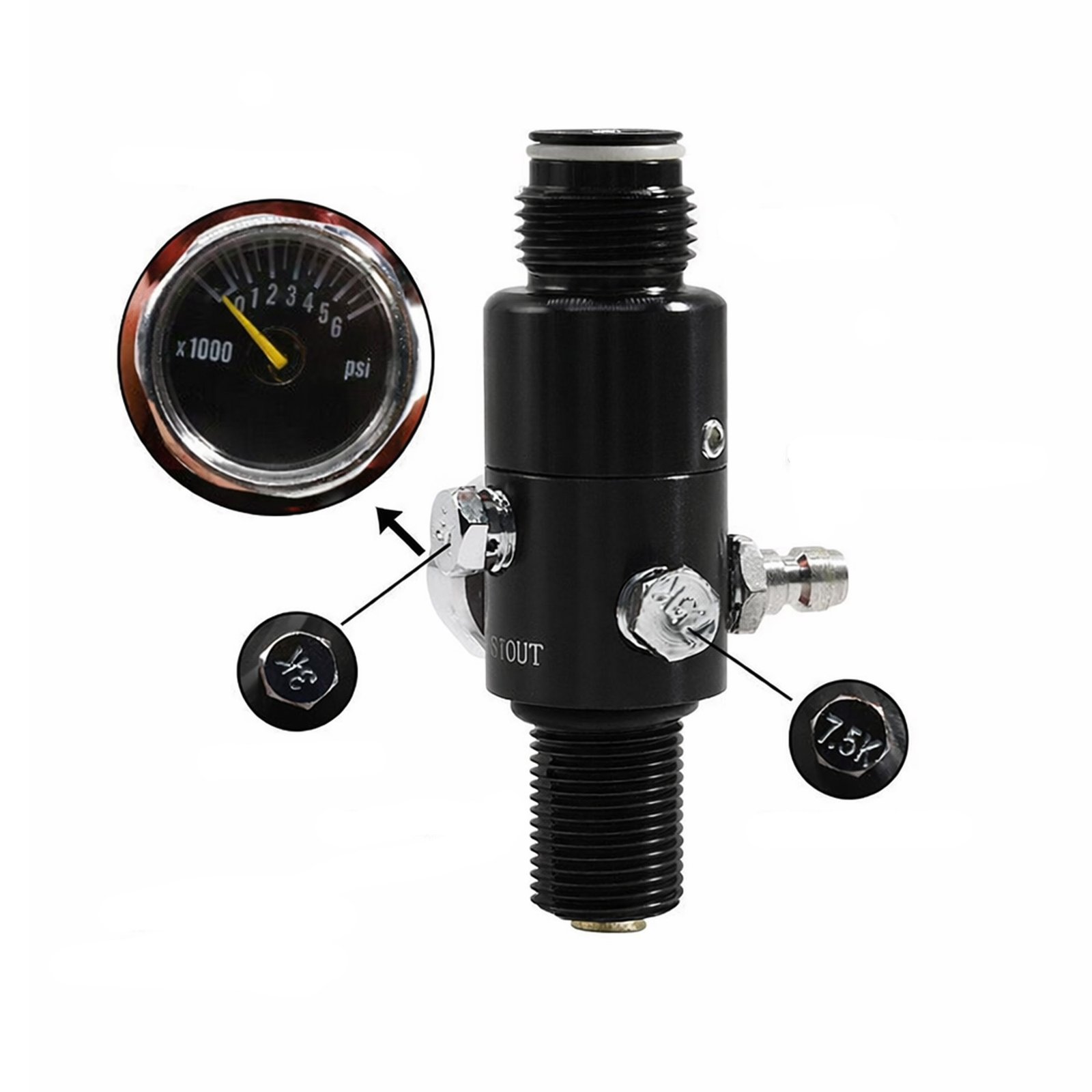
Paintball HPA Tank Regulators
Functions as the valve assembly mounted on refillable HPA paintball tanks, forming a core part of the complete air system.
System Integration
- Designed to integrate directly with paintball HPA tank systems and standard marker setups
- Supports controlled air delivery between the tank and the marker within a complete system configuration
- Selected based on overall tank and system compatibility rather than as a standalone component
Procurement Considerations
- Commonly sourced for distributors, commercial fields, and OEM paintball equipment programs
- Consistency across supplied regulators is prioritized for bulk orders and long-term supply
- System-level matching is typically preferred over individual specification comparison
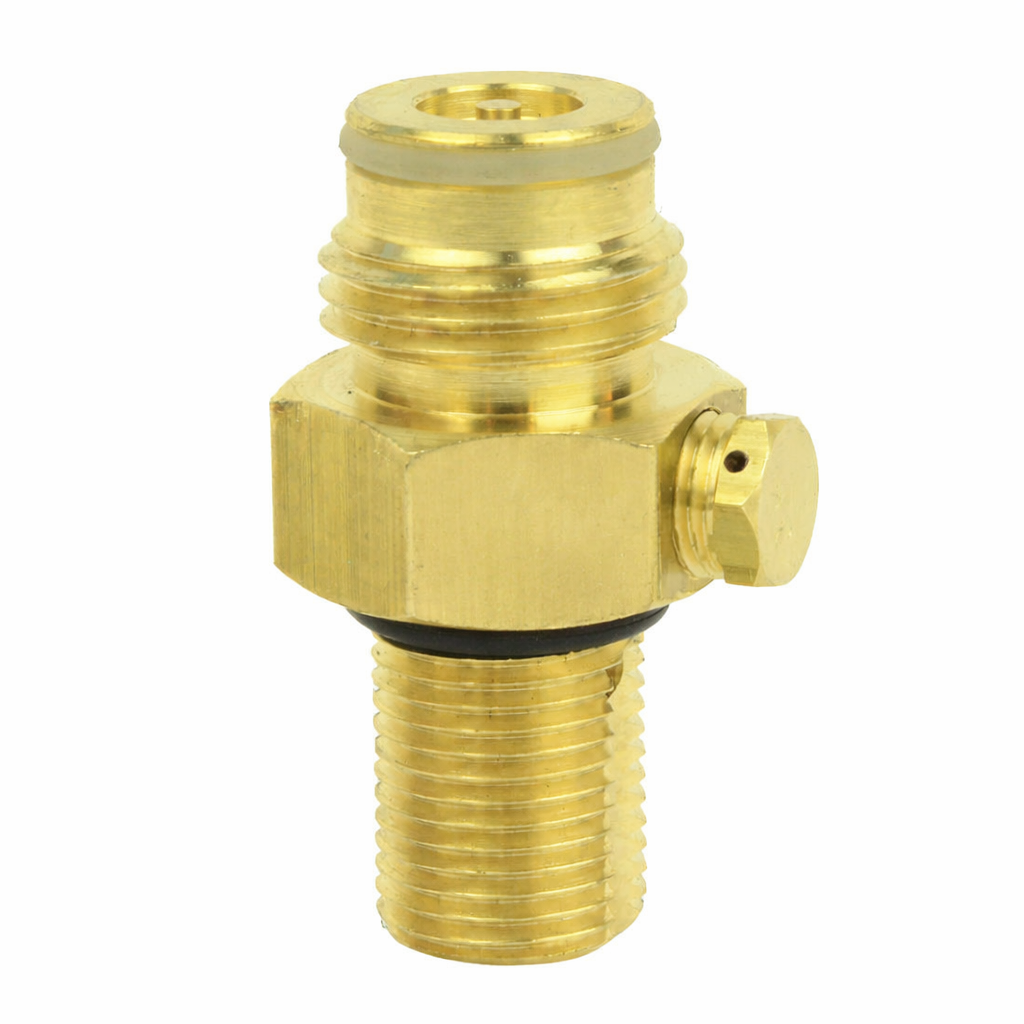
Paintball CO2 Pin Valves
Functions as the valve assembly used on refillable CO2 paintball tanks, forming part of traditional CO2-based air systems.
System Integration
- Designed to integrate with refillable CO2 paintball tank configurations
- Supports compatibility with established CO2 paintball markers and field equipment
- Selected based on tank system compatibility rather than as an independent component
Procurement Considerations
- Commonly sourced for distributors, commercial paintball fields, and rental operations
- Emphasis placed on supply stability and compatibility with existing CO2 tank systems
- Often supplied for OEM or bulk programs that continue to support CO2-based setups
Procurement & System Considerations for Paintball Valves
Soda Maker & Soda CO2 Cylinder Valves
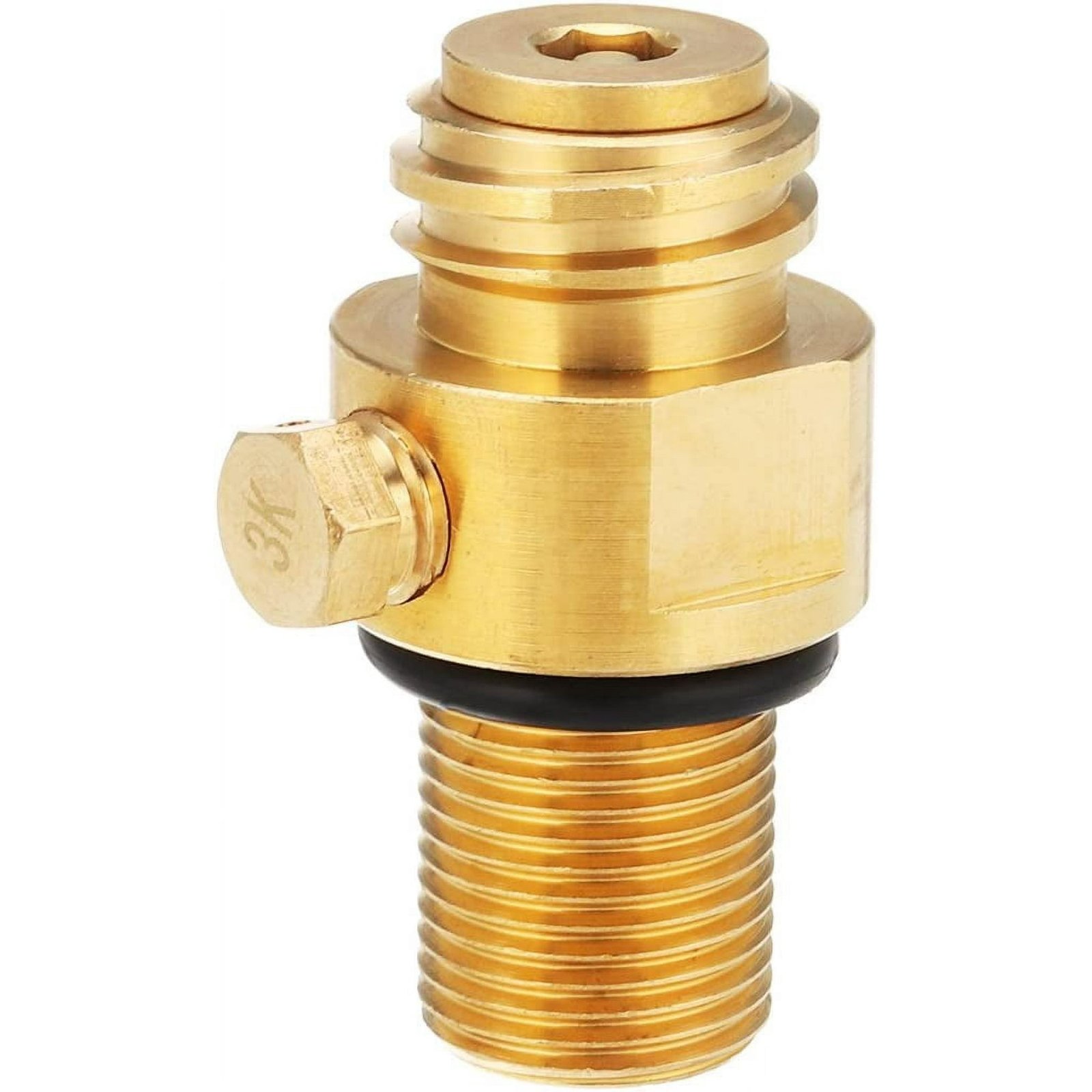
Soda CO2 Cylinder Valves
Functions as the valve assembly installed on refillable CO2 cylinders used in soda maker systems, forming a key interface between the cylinder and dispensing equipment.
System Integration
- Designed to integrate with soda maker systems that rely on refillable CO2 cylinders
- Matched to aluminum cylinder designs used in refill, exchange, or return programs
- Selected at the system level to ensure consistent fit and performance across soda equipment
Typical Procurement Scenarios
- Soda brand owners and private-label OEM programs
- Cylinder exchange and refill operations supplying regional markets
- Distributors sourcing valves for bulk cylinder assembly and long-term supply
Sourcing Notes
Procurement & System Considerations for Soda Valves
Beverage & Kegerator CO2 Valves
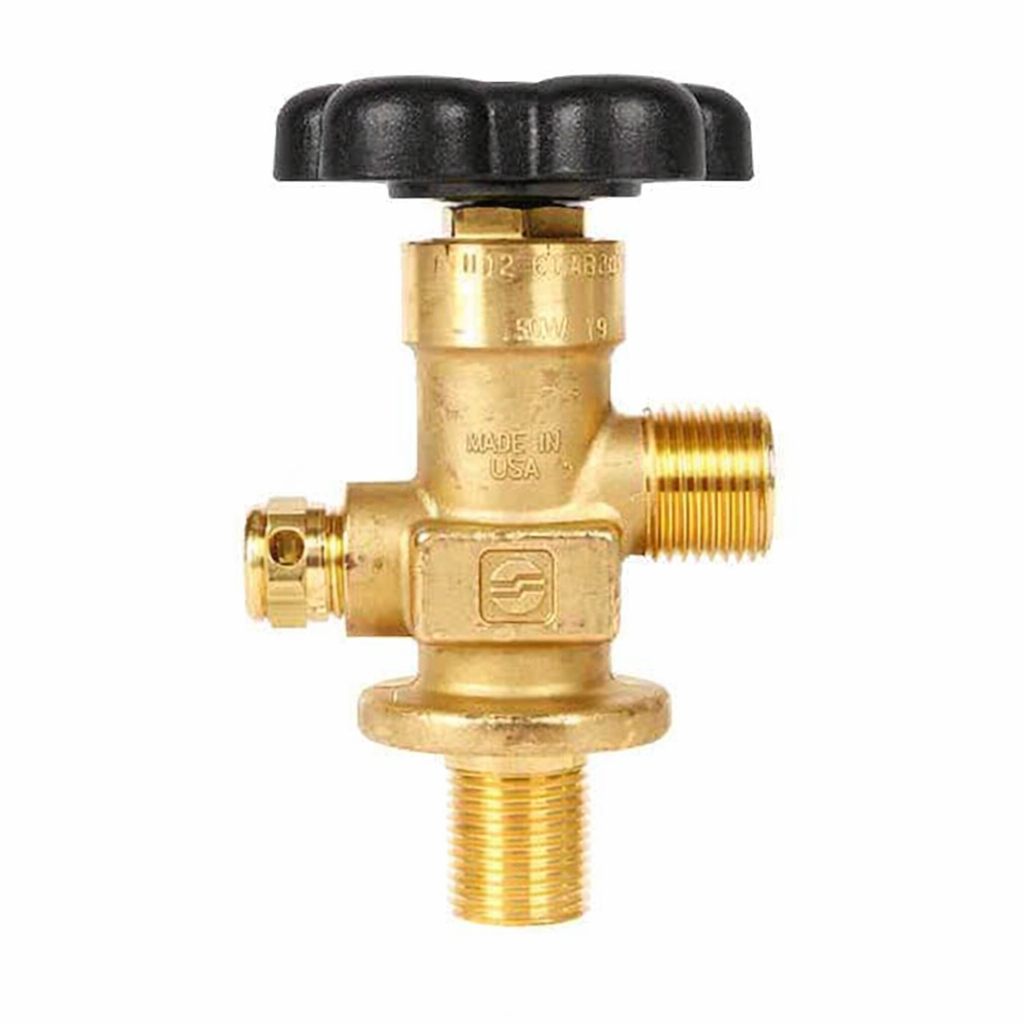
Beverage & Kegerator CO2 Cylinder Valves
Functions as the valve assembly installed on refillable CO2 cylinders used in commercial beverage dispensing systems, serving as a stable interface between the cylinder and downstream distribution equipment.
System Integration
- Designed to integrate with commercial CO2 distribution systems used in kegerators and beverage dispensing setups
- Supports consistent gas delivery across draft systems and multi-outlet configurations
- Selected as part of an overall dispensing system rather than as a standalone accessory
Typical Procurement Scenarios
- Beverage equipment distributors supplying bars, restaurants, and hospitality venues
- Operators managing kegerator systems or centralized CO2 distribution networks
- OEM programs supplying pre-assembled cylinders for commercial beverage applications
Sourcing Notes
Procurement & System Considerations for Beverage & Kegerator Valves
Scuba / Diving Cylinder Valves
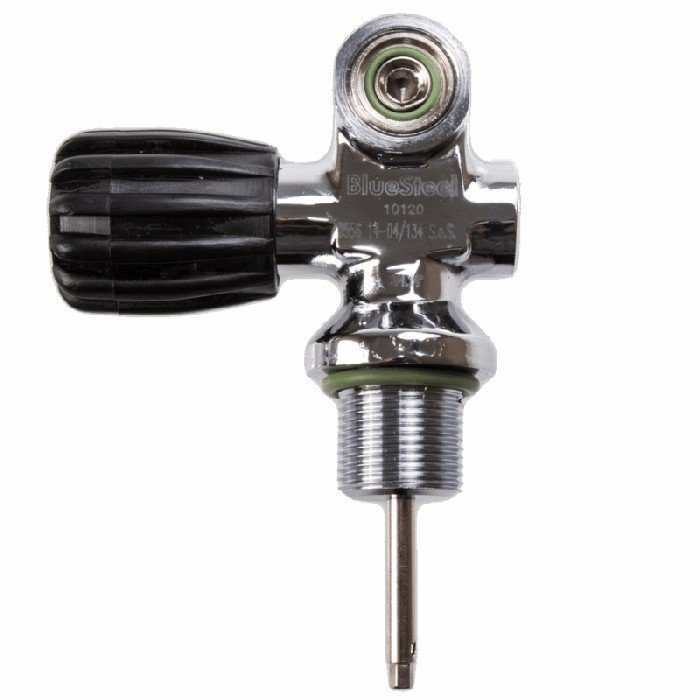
Scuba / Diving Cylinder Valves
Functions as the valve assembly used on diving cylinders for compressed air systems, serving as a critical interface within certified scuba setups.
System Integration
- Designed for integration into scuba and diving air systems based on defined technical specifications
- Selected in alignment with cylinder design, system standards, and application requirements
- Supplied as part of controlled projects rather than open-market configurations
Typical Procurement Scenarios
- OEM programs supplying complete diving cylinder systems
- Project-based sourcing for regulated or professional diving applications
- Specification-driven procurement managed by equipment manufacturers or system integrators
Sourcing Notes
Procurement & System Considerations for Scuba / Diving Valves
Scuba / Diving Cylinder Combo Valves (DIN Reverse / Left-Hand Thread)
In scuba and professional diving applications, combo cylinder valves are used as integrated control components within high-pressure breathing air systems.
Unlike standard gas valves, diving combo valves are engineered to support dual outlet configurations (DIN + Yoke compatibility) while maintaining strict alignment with international safety and certification standards.
Due to their system-critical role, these valves are typically specified at the equipment design or project level, rather than sourced as interchangeable general components.
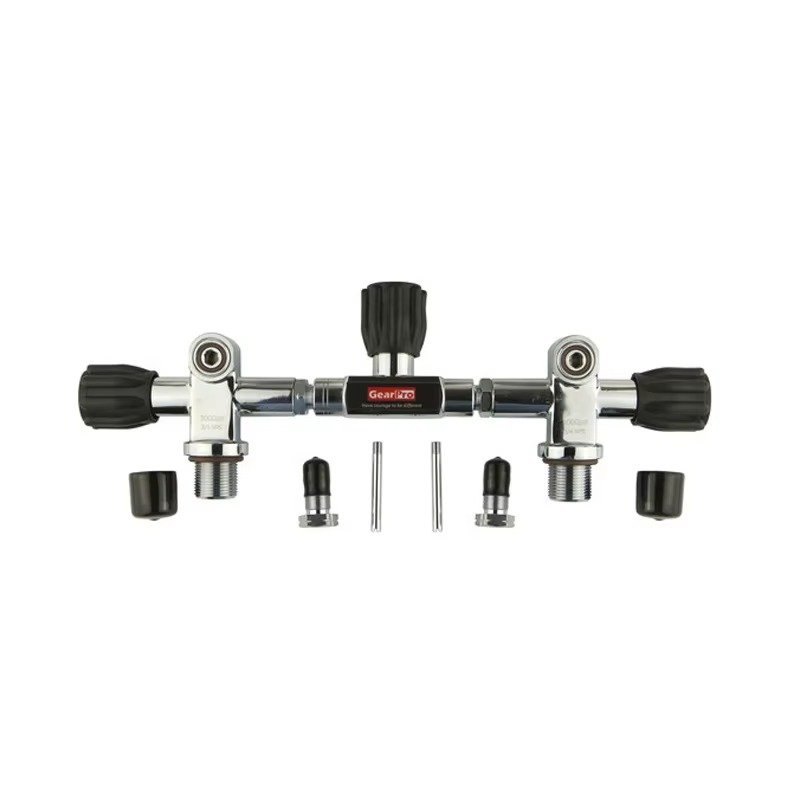
Scuba Combo Valve (DIN Reverse Type)
Functions as a dual-interface valve assembly designed for diving cylinders, allowing compatibility with both DIN regulators and yoke (A-clamp) systems.
System Integration
- Designed for use in compressed air diving systems (typically 200–300 bar)
- Compatible with standard scuba cylinder neck threads based on specification
- Supports both DIN connection (screw-in) and yoke connection (clamp-type) via removable insert
- Selected in coordination with cylinder type, regulator interface, and certification requirements
Typical Procurement Scenarios
- Thread Type: DIN reverse (left-hand thread)
- Connection Type: DIN + convertible yoke interface
- Working Medium: Compressed air (breathing gas systems)
- Safety Components: Burst disc protection system
- Material: High-strength brass with corrosion-resistant surface treatment
- Pressure Range: Typically designed for high-pressure applications up to 300 bar
Sourcing Notes
- OEM supply for complete scuba cylinder assemblies
- Project-based sourcing for diving equipment manufacturers
- System integration for regulated breathing air equipment
- Replacement or specification-matched components for certified setups
Procurement & System Considerations for Scuba Combo Valves
For diving applications, combo cylinder valves must be selected strictly based on system compatibility, pressure rating, and certification scope.
Key parameters such as thread direction (left-hand vs right-hand), outlet type (DIN/yoke), and safety configuration are confirmed during the specification phase.
This ensures correct integration into certified diving systems and avoids risks associated with incompatible or non-compliant valve configurations.
👉Read our blog for more information:DIN vs Yoke Scuba Valves What’s the Difference and Which One Do You Need?
Available Configurations & Product Options
Valve Specification Documents
| Valve Category | Application | Technical Datasheet |
| Paintball HPA Tank Regulators | Paintball HPA systems | 👉Paintball HPA Tank Regulator Datasheet (PDF) |
| Paintball CO2 Pin Valves | Paintball CO2 systems | 👉Paintball CO2 Pin Valve Datasheet (PDF) |
| Soda CO2 Cylinder Valves | Soda maker systems | Soda CO2 Cylinder Valve Datasheet (PDF) |
| Beverage & Kegerator CO2 Valves | Commercial beverage dispensing | Beverage CO2 Valve Datasheet (PDF) |
| Scuba / Diving Cylinder Valves | Diving air systems | Specifications available upon request |
- Datasheets contain full technical parameters, dimensions, and configuration options for reference.
Matching with Our Aluminum Cylinders
Valve Specification Documents
| Application | Matching Aluminum Cylinders |
| Paintball | 👉Paintball aluminum cylinders |
| Soda | 👉Soda CO2 aluminum cylinders |
| Beverage | 👉Beverage CO2 aluminum cylinders |
- Each cylinder category can link to the corresponding cylinder tank page.
OEM & Custom Valve Options
- Color options available for OEM production batches
- Logo marking and product identification support
- OEM packaging and bulk supply formats
- Thread and pressure configurations matched by application systems
Understanding Valve Structure (for Sourcing Reference)
Valve Body
Threaded Connection (Cylinder Interface)
Output / Connection Side
Pressure Indicator or Gauge (if applicable)
Safety Components (e.g. burst disks)
What to Keep in Mind
Typical Valve Components by Application System
| Application System | Pressure Gauge | Burst Disk(s) | Inlet / Fill Port | Outlet (System Side) | Cylinder Connection |
| Paintball HPA Valves | ✓ Typically one | ✓ Typically two (HP + LP) | ✓ Side inlet | ✓ Top outlet | ✓ Bottom thread |
| Paintball CO2 Valves | — | ✓ One | — | ✓ Top outlet (pin) | ✓ Bottom thread |
| Soda CO2 Cylinder Valves | — | — / System-dependent | — | ✓ System outlet | ✓ Bottom thread |
| Beverage / Kegerator CO2 Valves | — | ✓ One (safety relief) | — | ✓ Distribution outlet | ✓ Bottom thread |
| Scuba / Diving Cylinder Valves | — / Optional | ✓ Specification-based | ✓ Specification-based | ✓ Regulator interface | ✓ Bottom thread |
How to Choose the Right Valve for Your System
Scenario 1|You Have an Existing Valve
- Basic measurements of the current valve
- Clear photos showing the valve body and connection area
- Information about the aluminum cylinder the valve is installed on
Scenario 2|You Have the Cylinder but No Valve
- Aluminum cylinder specifications
- Intended application or system use
- Thread details at the cylinder neck
Scenario 3|The Cylinder Has Not Been Purchased Yet
Common Mistakes to Avoid During Valve Selection
Thread Mismatch
Incorrect Pressure Configuration
Incorrect Pressure Configuration
What This Means in Practice
Most Popular Questions.
A1: We supply valves as standalone items, and we also supply them together with our refillable aluminum cylinders as a complete system.
A2: For standard shipments, valves are usually packed separately.
A3: OEM customization is handled on a project or batch basis, rather than for individual units.
A4: Samples can be provided for project evaluation and specification confirmation.
A5: After-sales support is handled based on quality responsibility and batch traceability.
A6: To review a valve project efficiently, we typically need information such as the application system, cylinder type, and intended supply format.
A7: Valve selection is usually finalized after the application and cylinder system are clearly defined.
Start Bulk Ordering Today – Get a Custom Quote
- Each specification has certification, customized products can also be certified.
- Years of production and export experience, one-stop service.
- Free samples.
- Peripheral supporting products to help purchase.