
Aluminum Scuba Tanks for OEM and Bulk Orders
Lifeline Below the Surface—— Explore More, Fear Less
Popular sizes: 2L / 12L / 80 cu ft / 15L
Certifications: DOT / TPED / MSDS
MOQ: 300 pcs | Lead Time: 15-20 days
OEM Support: YES (Label / Color / Valve)
Available Scuba Tank Sizes

2.56″ in diameter x13.93" in height 0.67kg in weight 3000psi/200bar 5/8 "-18UNF of M 18*1.5
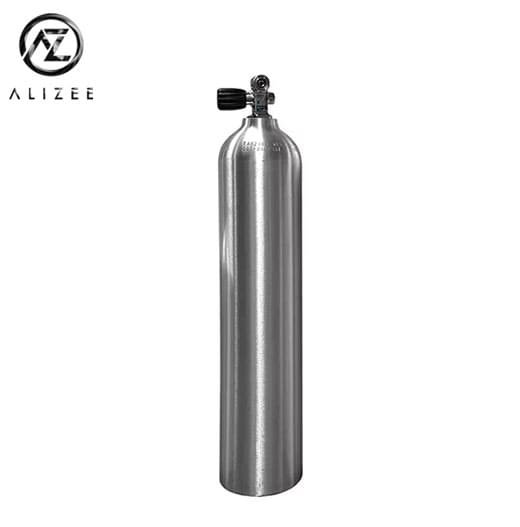
3.5″ in diameter x14.2" in height 1.8kg in weight 3000psi/200bar 5/8 "-18UNF of M 18*1.5
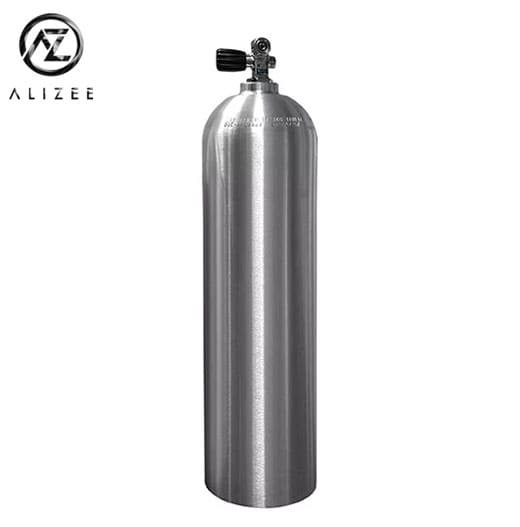
4.3″ in diameter x17" in height 2.3kg in weight 3000psi/200bar 5/8 "-18UNF of M 18*1.5
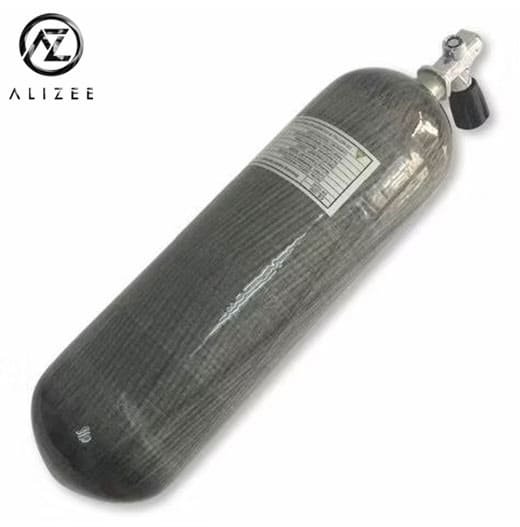
7.24″ in diameter x25.8" in height 13.6KG in weight 3000psi/200bar 5/8 "-18UNF of M 18*1.5
Scuba Tank – Model Selection by Dive Environment
| Model | Key Features | Ideal Usage | Preferred By |
| 12L 232Bar Steel Tank | High stability, suitable for deep dives | Professional dive operations | Dive centers, technical diving schools |
| 80 cu ft 3000psi Aluminum | Popular US standard, lightweight | Recreational and training dives | Gear retailers, scuba instructors |
| 15L 232Bar Steel Tank | Extended duration, rugged design | Long underwater missions | Marine service companies, OEM orders |
Delivering Excellence in Your Industry

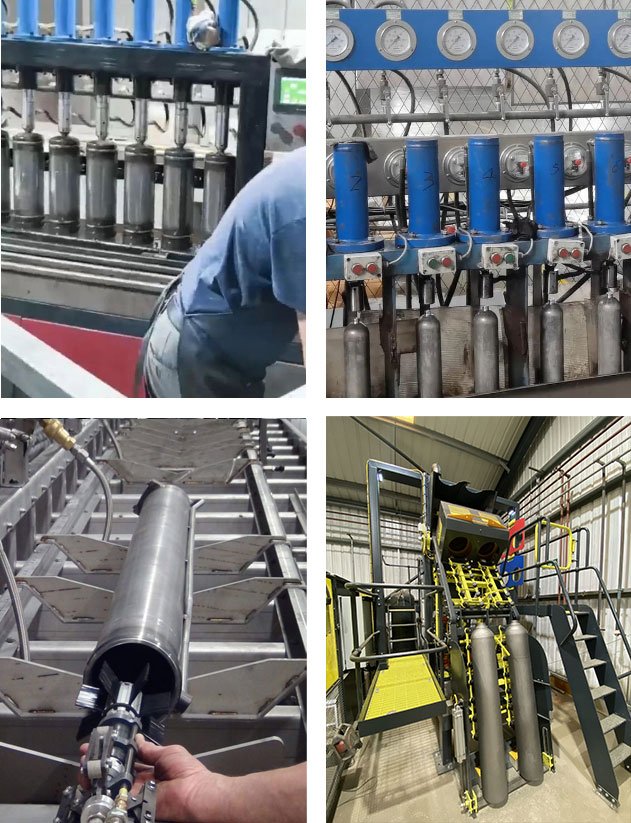
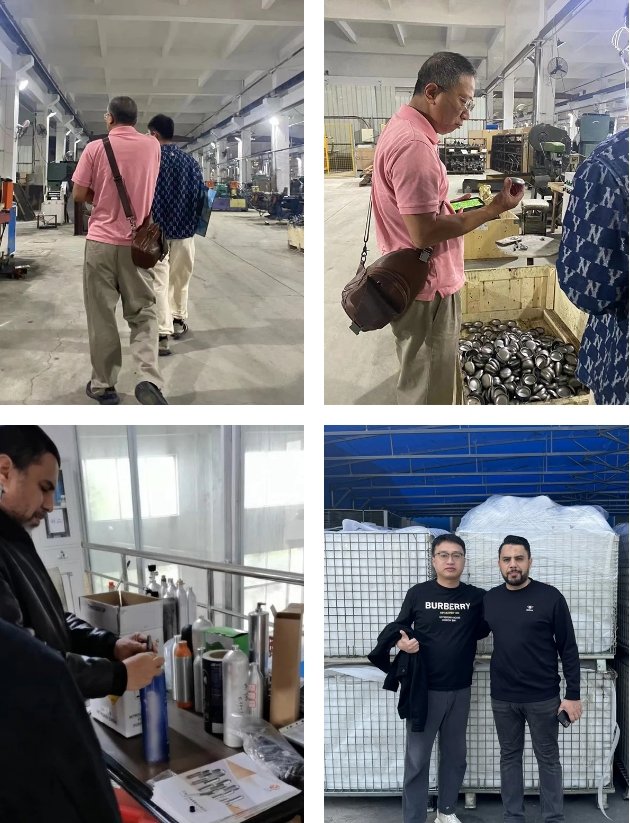
Our skilled team can customize products based on your specific needs. Samples are first submitted for DOT/TUV certification to ensure safety and quality.

With several production lines, we streamline manufacturing and accelerate delivery times to meet your project deadlines.
Why Choose Alizee Scuba Tanks?
Elevate your operations with Alizeegas tanks, trusted by professionals across the globe.
Alizeegas scuba tanks are designed for the ultimate underwater experience, offering divers safety, durability, and unmatched reliability.
Our Advantages
Precision Engineering: Crafted for high-pressure resilience and resistance to corrosion in extreme underwater environments.
Global Compliance: Certified to meet stringent safety standards worldwide.
Diverse Applications: From recreational diving to professional use, we’ve got the tank for every need.
Explore deeper with scuba tanks you can trust—choose Alizeegas.
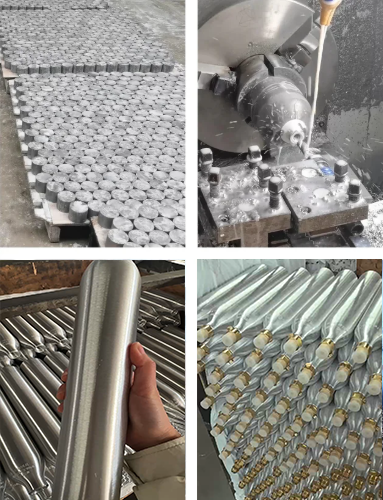
What You Can Customize
We help you create your own brand of paintball tanks — not just relabel products.
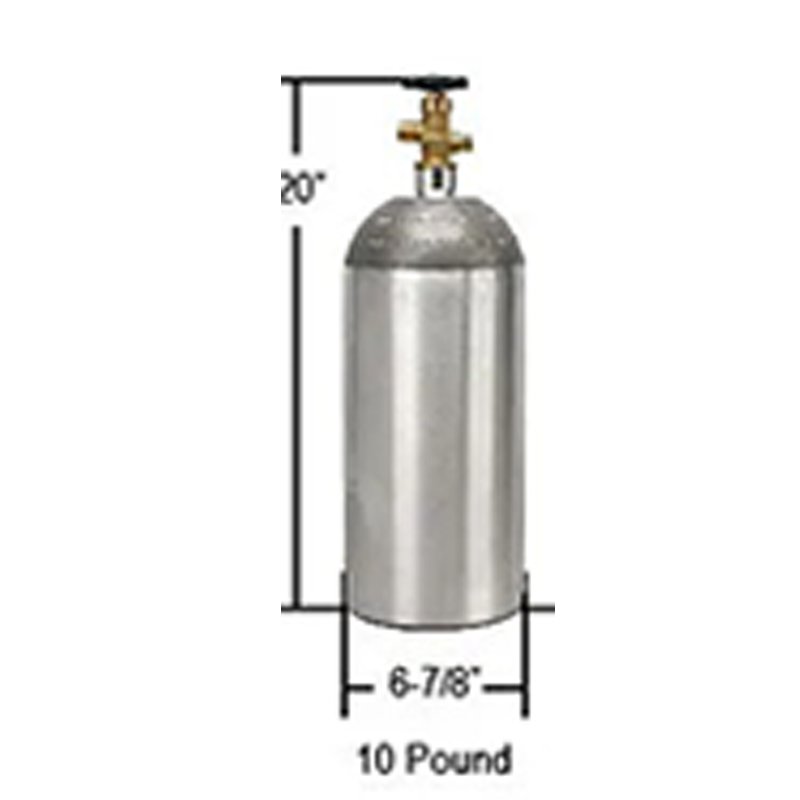
Tank Size & Pressure
Choose from various conventional size and customized tanks . Pressure ratings available from 1800psi to 4500psi to fit all usage.
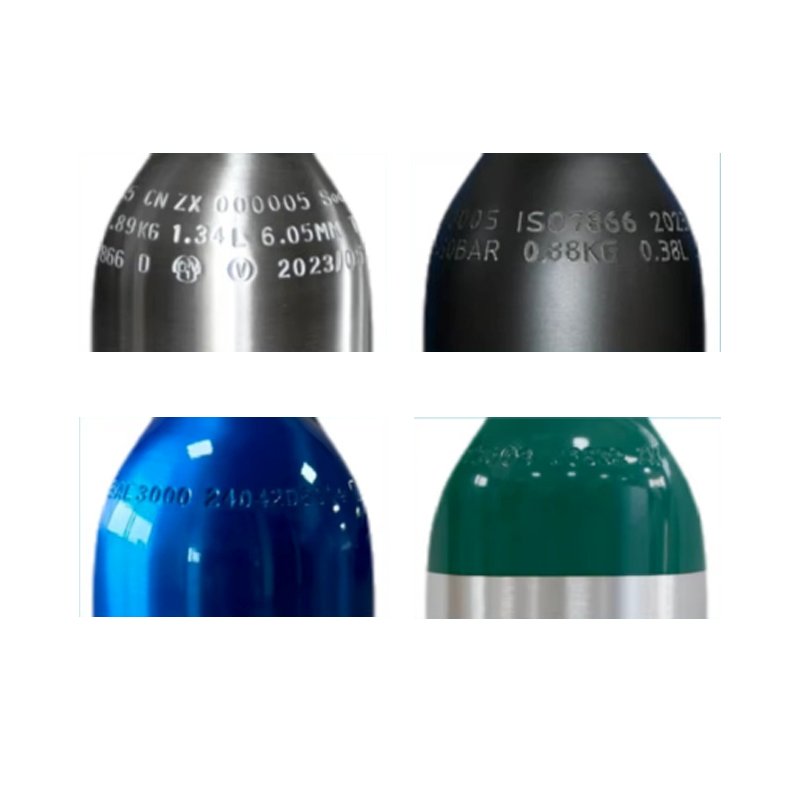
Color & Finish
We offer matte, glossy, anodized, or painted finishes. Provide your Pantone color codes — we’ll match it exactly.
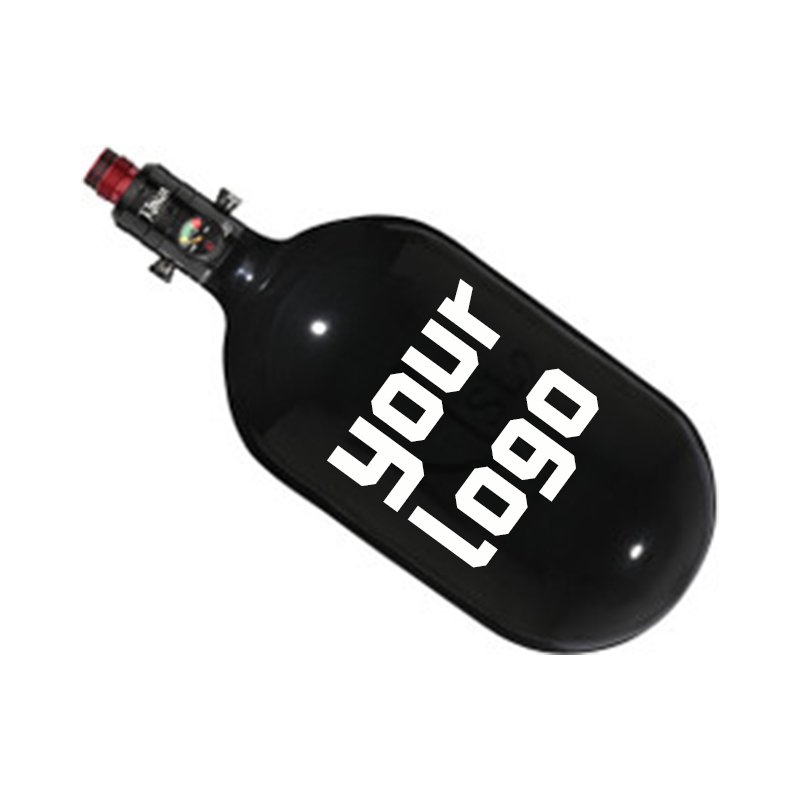
Logo & Branding
Add your logo using silk screen printing, laser engraving, or shrink sleeves. Custom branding is available on the tank body, packaging box, or valve cap.
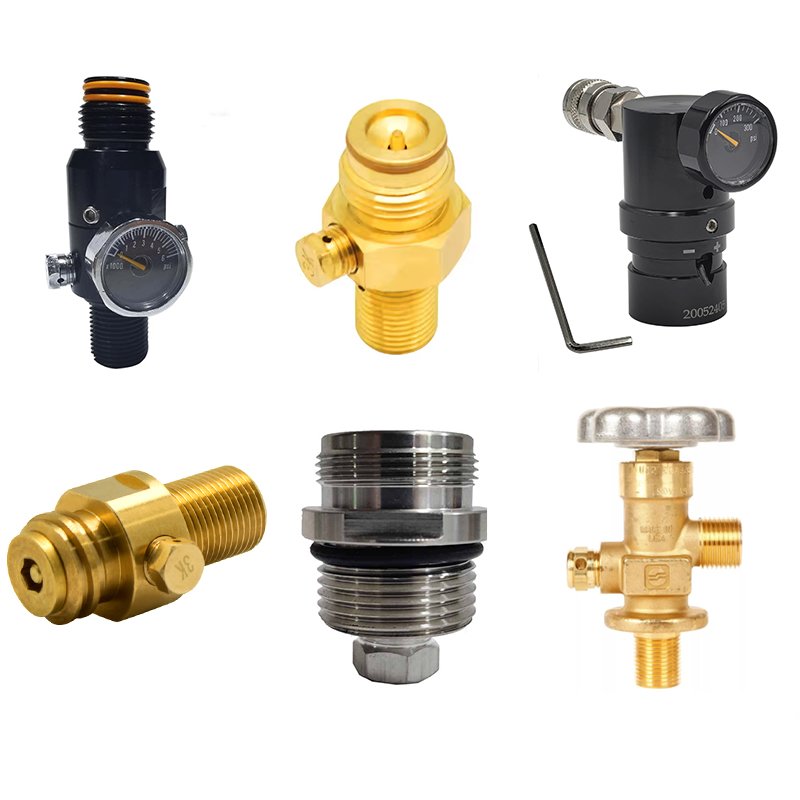
Thread & Valve Type
Options include 5/8"-18UNF and M18×1.5 threads. Choose pin valves or on/off valves, and select output pressures like 800psi, 1800psi, or 2200psi.
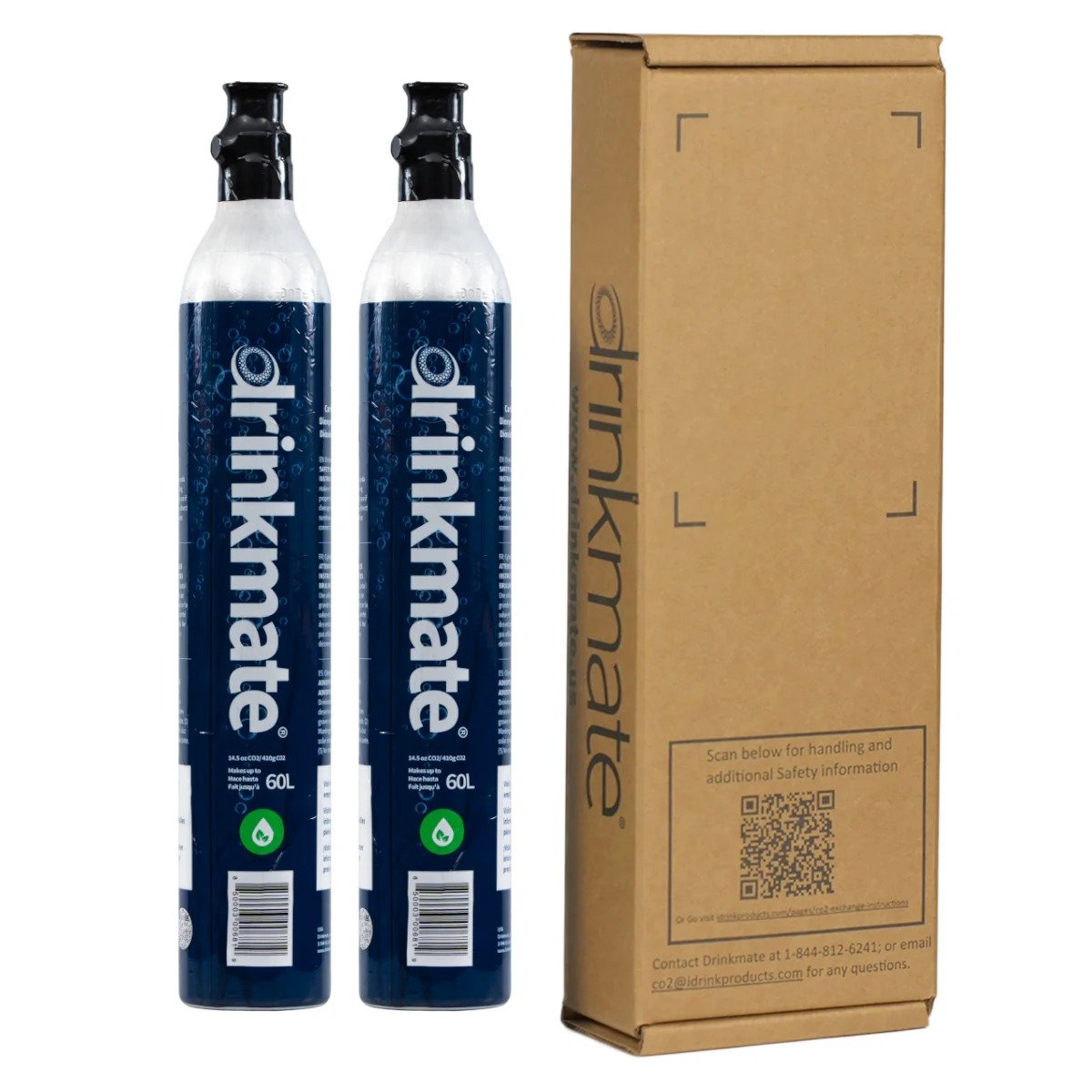
Packaging
OEM box design, QR codes, barcodes, foam inserts — we provide retail-ready packaging or bulk cartons depending on your needs.
Build Your Brand With High-quality, Custom-branded Tanks
Why Choose Alizee for OEM Scuba Tanks?
✔ In-house factory with 5 production lines
✔ Monthly output of 500,000+ tanks
✔ OEM MOQ as low as 500pcs
OEM Process – From Idea to Delivery
- Send us your requirements (tank size, working pressure, thread type, logo, color)
- We provide mockups for review
- Free samples for testing and approval
- Production (15–30 days)
- Final inspection, packaging, global shipping
Free quote within 24 hours.We guide you through the whole process.
Safety Certifications & Compliance
Satisfied Clients
Quality Assurance
Skilled Professionals
Years of Experience

Technical Specifications of Scuba Tanks
Valve Compatibility & Threading Options
Tank Construction Material and Compatibility
Common Materials:
Aluminum: Aluminum tanks are lightweight, cost-effective, and corrosion-resistant, making them very common for recreational scuba diving. They typically have an internal coating to prevent corrosion from exposure to moisture and oxygen.
- Aluminum tanks are generally available in capacities ranging from 40 to 120 cu ft (cubic feet) and have an MWP of 2,200 to 3,000 psi.
Steel: Steel tanks are stronger and can withstand higher pressures, meaning they can hold more air in a smaller size than aluminum tanks. Steel tanks often have a slightly smaller buoyancy change during a dive, which makes them a good choice for technical diving.
- Steel tanks typically come with 3,000 psi to 3,500 psi ratings and can hold more gas for the same physical size.
Coatings and Linings:
- Internal Coatings: Most scuba tanks, especially aluminum ones, are lined with a special epoxy coating or anodized layer to protect against corrosion. Steel tanks may also have a coating or be galvanized to prevent rust.
- External Coatings: Tanks are often coated with a durable external finish (paint or powder coating) to protect the tank from abrasions, scratches, and corrosion due to exposure to saltwater or moisture.
Valve Compatibility:
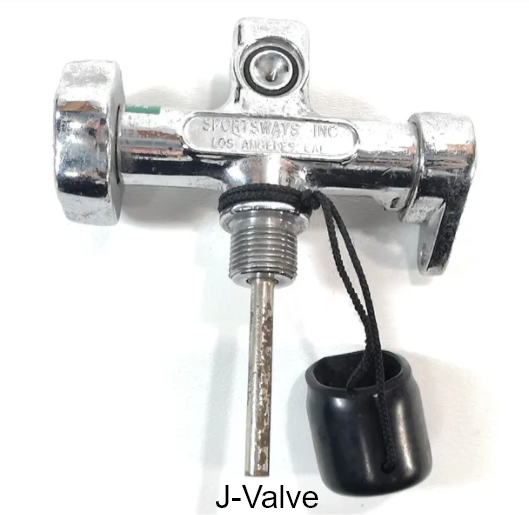
Standard Valve Types: The most common valves used in scuba tanks are the K-Valve and the J-Valve (both of which are part of the SCUBA tank’s valve system).
- The K-valve is the most common and is used for most recreational diving applications.
- The J-valve is an older valve with a reserve function.
Thread Compatibility:
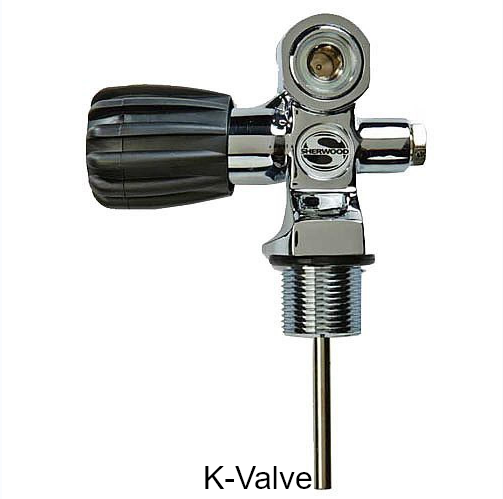
- US Standard Threads (Yoke Valve): This valve is compatible with tanks that have Yoke fittings (K-Valve). These tanks use a 5/8″-18 thread.
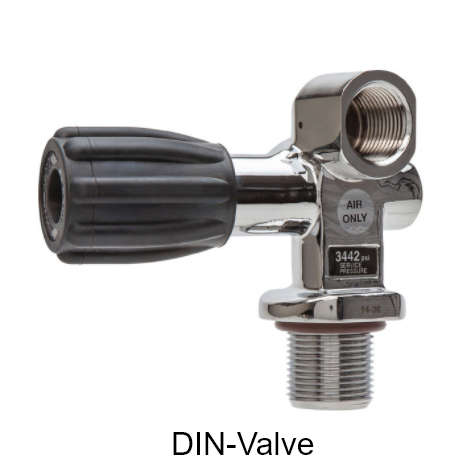
- DIN (Deutsches Institut für Normung) Valve: Tanks with DIN threads are common in Europe and technical diving systems. DIN valves have a M25 x 2.0 thread.
Adapters: For diving equipment that doesn’t match the valve or thread type, DIN-to-yoke adapters are available.
| Tank Material | Aluminum (typically) or Steel |
| Maximum Working Pressure | 2,200–4,000 psi depending on material and type |
| Burst Pressure | ~2x MWP (e.g., 6,000 psi for 3,000 psi tank) |
| Hydrostatic Test Pressure | 1.5x MWP (e.g., 4,500 psi for a 3,000 psi tank) |
| Hydrostatic Test Interval | Every 5 years (in the U.S.) |
| Gas Type | Compressed air, Nitrox, Trimix (depending on application) |
| Valve Type | Yoke Valve (US), DIN Valve (EU), or proprietary types |
| Valve Inlet Size | Yoke: 5/8"-18 thread, DIN: M25x2.0 |
| Operating Temperature Range | Typically -50°F to 149°F, though this can vary by tank and environment |
| Test Standards | DOT (U.S.), ISO (international) |
Valve and Cylinder Compatibility
Valve Types:
- Yoke Valve (Int. 200 bar): This type of valve is typically used for lower pressure systems, rated for up to 2,200 psi (150 bar).
- DIN Valve (Int. 300 bar): This is a high-pressure valve often used for technical diving or in countries with higher pressures, rated for 3,000 psi (200 bar) and even up to 4,350 psi (300 bar) in some cases.
Cylinder Valve and Service Pressure:
- Cylinder Service Pressure: The maximum working pressure of the cylinder defines the maximum pressure the valve can handle, typically matching the working pressure of the tank (e.g., 2,200 psi or 3,000 psi).
- Valve Compatibility: The valve and cylinder must have compatible threads, size, and pressure rating.
Valve Connection Types:
- International (DIN): As mentioned, DIN is often used in European tanks and high-pressure systems.
- Yoke (US standard): Common in North American tanks.
- Pre-breathing Valve: Some cylinders also come with an additional pre-breathing valve or “bail-out” feature for emergency use in advanced diving.
Pressure and Temperature Considerations
Operating Pressure vs. Temperature:
- Pressure and temperature are inversely related. As the temperature of a scuba tank increases (e.g., in the sun), the pressure inside the tank can rise significantly. This is why it’s essential to avoid exposing scuba tanks to excessive heat, which could exceed their rated pressure.
- Scuba tanks should be stored in cool, shaded areas and away from direct sunlight to prevent unsafe temperature and pressure increases.
Gas Mixtures and Pressure:
- Air: The most common gas in scuba tanks is compressed air, but other gases (like Nitrox or Trimix) are used in technical diving, requiring tanks to be rated for specific gas pressures.
- Non-Air Gases: When using tanks for specialized mixtures (e.g., Nitrox), the tank must be compatible with oxygen service. Some tanks may require cleaning procedures to ensure they are safe for use with oxygen-rich gas mixtures to prevent fire or oxidation hazards.

Common Issues in Scuba Tank Use
- Material and Build Quality
- Pressure and Capacity Specifications
- Compliance and Safety Certification
- Common Issues
- Material and Build Quality:
Scuba tanks are primarily made from aluminum or steel, each offering unique advantages. Steel tanks are preferred for their higher pressure ratings and durability, while aluminum tanks are favored for their lightweight design and resistance to corrosion in saltwater environments. Suppliers focus on sourcing tanks with robust construction to ensure reliability and safety.
- Pressure and Capacity Specifications:
Suppliers seek scuba tanks with standard working pressures of 3000 PSI (200 bar) or 3442 PSI (237 bar), ensuring compatibility with diverse diving requirements. Common capacities include 80 cu ft (11 liters) and 100 cu ft (15 liters), which cater to recreational and technical divers alike.
- Certifications and Compliance:
Scuba tanks must adhere to DOT, TC, and EN standards, ensuring global compliance and safety. Suppliers also prioritize tanks that are oxygen-cleaned and compatible with enriched air (Nitrox) mixes, appealing to advanced and technical divers.
- Corrosion:
Both aluminum and steel tanks are prone to corrosion, especially when exposed to saltwater. Internal corrosion can weaken the tank, while external corrosion can damage the protective coatings or cause structural failures.
- Valve Failure:
Regular maintenance of the valve, including the O-ring and the connection points, is essential for safe operation.
- Tank Over-pressurization:
Ensuring the tank is filled correctly to its rated pressure is important. Overfilling can result in dangerous over-pressurization, increasing the risk of tank rupture.
Most Popular Questions.
A1: Yes.
A2: 7-25 days for sample; 30-40 days for bulk.
A3: Yes,we support OEM,custom shrink sleeve/label/silk screen printing.
A4: Custom size is available,send us an inquiry and our team will assist.
A5:Our factory can produce up to 30 million 8g cartridges and 500,000 tanks per month. This capacity allows us to meet large orders and ensure timely delivery.
A6: We employ rigorous quality control, including hydrostatic testing, material stress analysis, and adherence to international safety certifications such as DOT, TPED, and UNISO standards.
A7: Our tanks are suitable for a wide array of gases, including CO2, oxygen, HPA, nitrogen, and specialty gases used in medical, industrial, and research applications. They are designed to maintain gas purity and stability.
A8: Depending on the material and application, our tanks have an impressive lifespan. Aluminum and steel tanks can last indefinitely with periodic inspections, while carbon-fiber wrapped models have a lifespan of approximately 15 years.👉 Read more in our blog: CO2 Cylinder Lifespan Guide
Start Bulk Ordering Today – Get a Custom Quote
- Each specification has certification, customized products can also be certified.
- Years of production and export experience, one-stop service.
- Free samples.
- Peripheral supporting products to help purchase.